



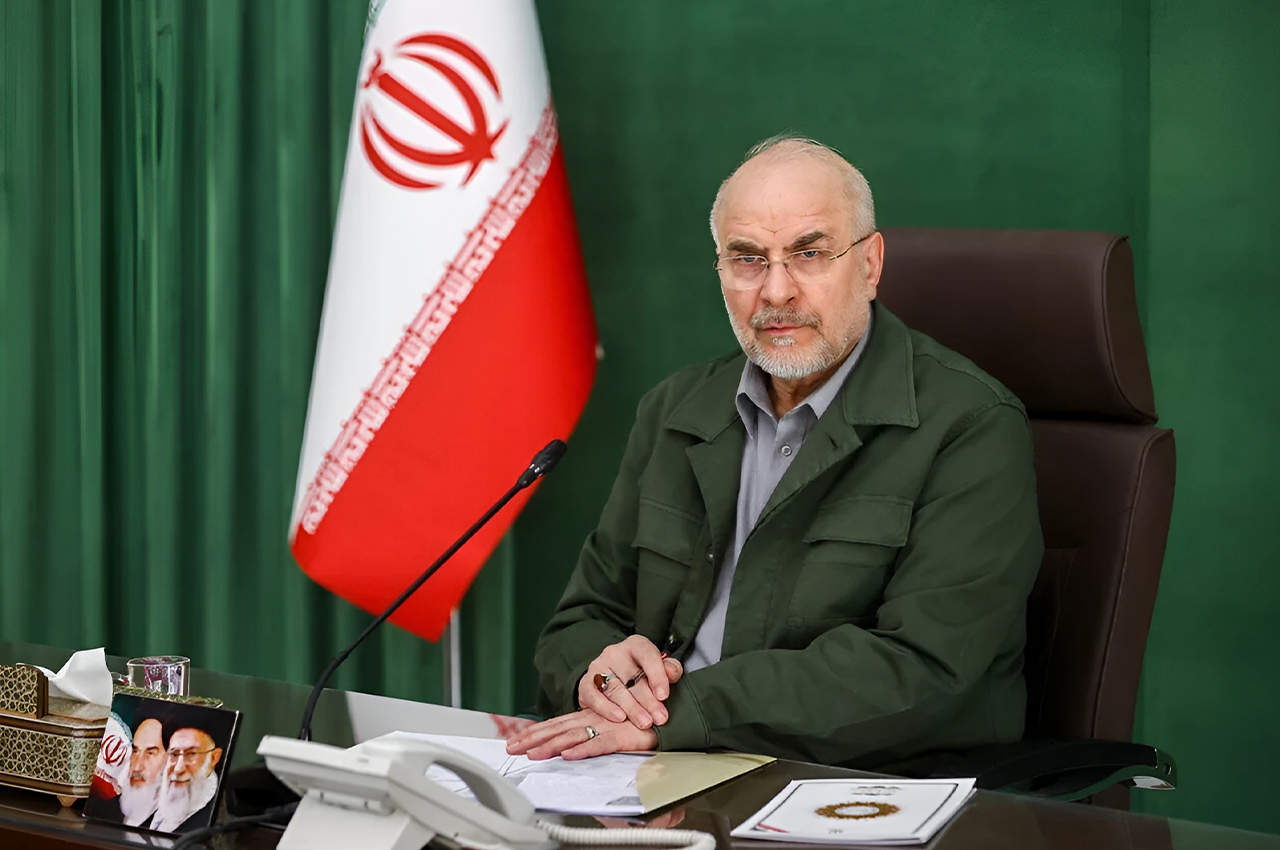
Iran’s Parliament Speaker warns Strait of Hormuz reopening is stalled by ceasefire violations, raising fresh concerns over global energy markets and regional stability. Iranian officials said progress toward reopening the strategic shipping route has been hindered by what they describe as breaches of ceasefire conditions, increasing uncertainty for oil traders, shipping firms, and international governments.
Why the Strait of Hormuz Matters
The Strait of Hormuz is one of the world’s most important maritime chokepoints, linking Gulf oil producers to global markets.
A significant share of global energy exports passes through the route, making any disruption highly sensitive for markets.
The strait is vital for:
- Crude oil exports
- Liquefied natural gas shipments
- Regional trade routes
- Shipping insurance markets
- Global fuel pricing
When access is threatened, oil and transport costs can rise quickly.
What Iran’s Parliament Speaker Said
Iranian Parliament Speaker Mohammad Bagher Ghalibaf reportedly said reopening the Strait of Hormuz is not possible while ceasefire violations continue and a naval blockade remains in place. Iranian officials argue that a ceasefire has little value if broader restrictions continue.
The statement signals growing frustration over stalled diplomatic progress.
Why Reopening Has Been Delayed
Several issues appear to be slowing efforts to normalize shipping access.
Main Factors Include:
- Alleged ceasefire breaches
- Naval restrictions and blockades
- Seizure of vessels in surrounding waters
- Security risks for commercial ships
- Failed or delayed peace negotiations
- Ongoing military tensions
Until these issues are resolved, shipping confidence may remain weak.
Impact on Global Oil Markets
Energy markets closely monitor developments in Hormuz because supply disruptions can affect prices worldwide.
Potential consequences include:
- Higher crude oil prices
- Increased shipping insurance premiums
- Delays in cargo deliveries
- Volatility in fuel markets
- Pressure on importing economies
Even limited instability can trigger market reactions.
Shipping Industry Concerns
Commercial shipping companies typically avoid high-risk routes unless security conditions improve.
Current concerns may include:
- Mine risks or navigational hazards
- Vessel seizures
- Military confrontations
- Rising insurance costs
- Crew safety concerns
This can reduce traffic volumes even if routes are technically open.
Why Diplomacy Is Critical Now
Regional and international mediators may intensify talks to prevent further escalation.
Diplomatic priorities often include:
- Restoring safe commercial navigation
- Confirming ceasefire compliance
- Reducing military incidents
- Rebuilding confidence between parties
- Stabilizing global energy supply chains
Without diplomacy, uncertainty may continue.
Wider Regional Importance
The Strait of Hormuz is central not only to Iran but to Gulf economies and global trade partners.
Any prolonged disruption can affect:
- Gulf export revenues
- Inflation in importing countries
- Investor sentiment
- Shipping schedules
- Economic growth forecasts
That is why international attention remains high.
What Happens Next
Observers will watch for:
- New ceasefire talks
- Naval de-escalation measures
- Statements from involved governments
- Changes in shipping traffic levels
- Oil price reactions
A breakthrough in negotiations could quickly improve sentiment.
Final Thoughts
Iran’s Parliament Speaker warns Strait of Hormuz reopening is stalled by ceasefire violations, underlining how fragile regional diplomacy remains. With global energy markets dependent on secure maritime flows, resolving tensions around Hormuz is critical for economic stability.
The next phase will likely depend on whether ceasefire disputes can be addressed through sustained negotiations.
FAQs
Why is the Strait of Hormuz important?
It is a major global shipping route for oil and gas exports.
Why is reopening stalled?
Iran says ceasefire violations and related restrictions are preventing progress.
Could oil prices rise?
Yes. Any threat to Hormuz can increase oil market volatility.
Who is Iran’s Parliament Speaker?
Mohammad Bagher Ghalibaf currently serves in that role.
What could resolve the issue?
Diplomatic agreements and stronger ceasefire compliance may help reopen shipping access.