




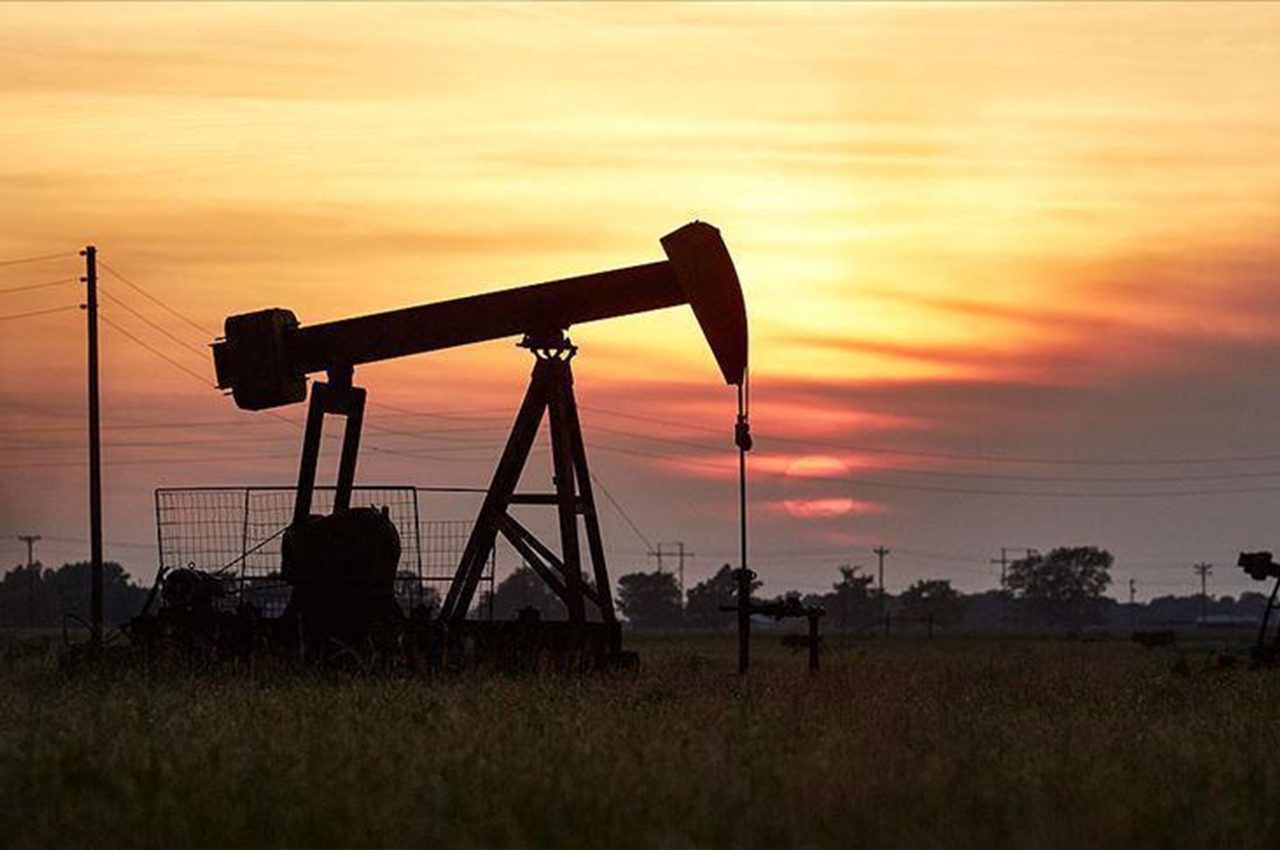
Analysts warn oil prices will climb further as Strait of Hormuz disruptions persist amid regional war risks, increasing pressure on global markets already facing uncertainty. The strategic waterway remains one of the most important energy shipping routes in the world, and any prolonged disruption could tighten supply, lift transport costs, and fuel broader inflation concerns.
Why the Strait of Hormuz Matters
The Strait of Hormuz connects Gulf energy producers with international buyers and is considered one of the world’s most critical maritime chokepoints.
Large volumes of global oil and gas shipments pass through the route each day.
The strait is important for:
- Crude oil exports
- Liquefied natural gas shipments
- Trade flows from Gulf economies
- Shipping routes to Asia and Europe
- Global fuel market stability
Any disruption can have immediate effects on energy prices.
Why Analysts Expect Oil Prices to Rise
Market experts say persistent shipping disruption combined with regional war risks creates a strong upward pressure on oil prices.
Main reasons include:
- Reduced confidence in supply security
- Delays in tanker movements
- Higher shipping insurance costs
- Risk premiums added by traders
- Potential military escalation
- Fear-driven commodity buying
Even if actual supply losses remain limited, uncertainty alone can push prices higher.
How Regional Conflict Raises Market Risks
When tensions increase in the Gulf region, oil markets often react before any physical shortage occurs.
Common Market Responses Include:
- Higher futures prices
- Increased volatility
- Emergency supply planning
- Strategic reserve discussions
- Currency pressure in importing nations
That is because traders price future risk as well as present conditions.
Impact on Global Consumers
If oil prices continue climbing, the effects may reach households and businesses worldwide.
Potential impacts include:
- Higher petrol and diesel prices
- Rising air travel costs
- Increased shipping charges
- More expensive food transport
- Inflation pressure on goods and services
Countries heavily dependent on imported energy may feel the impact most.
What It Means for Gulf Economies
For oil-exporting Gulf nations, higher prices can support revenues, but instability creates separate risks.
Possible Benefits:
- Stronger export income
- Improved fiscal balances
- Higher energy sector investment
Possible Risks:
- Shipping delays
- Insurance costs
- Investor caution
- Regional security uncertainty
Stable trade routes remain essential even during periods of higher prices.
What Traders Are Watching Next
Energy markets will closely monitor several developments.
- Security conditions in Hormuz
- Naval activity in the Gulf
- Diplomatic ceasefire efforts
- OPEC+ production responses
- Strategic reserve releases
- Demand trends in major economies
These factors could determine how far prices move next.
Could Governments Intervene?
If prices rise sharply, governments may consider measures such as:
- Releasing strategic petroleum reserves
- Coordinating diplomatic pressure
- Supporting shipping security missions
- Adjusting fuel tax policies
- Encouraging alternative supply routes
Such responses aim to calm markets and protect consumers.
Long-Term Energy Lessons
Repeated disruptions around Hormuz also reinforce global interest in:
- Supply diversification
- Renewable energy investment
- Strategic storage capacity
- Alternative pipelines
- Energy efficiency measures
Many countries view these as long-term safeguards against geopolitical shocks.
Final Thoughts
Analysts warn oil prices will climb further as Strait of Hormuz disruptions persist amid regional war risks, highlighting the fragile link between geopolitics and energy markets. Even limited interruptions in this strategic route can trigger significant price reactions worldwide.
The direction of oil prices now may depend largely on whether diplomacy can reduce tensions and restore confidence in Gulf shipping lanes.
FAQs
Why are oil prices expected to rise?
Analysts cite shipping disruption, supply concerns, and regional conflict risks.
Why is the Strait of Hormuz so important?
It is a major global route for oil and gas exports from Gulf producers.
Will consumers feel the impact?
Yes. Higher oil prices can increase fuel, transport, and goods costs.
Can prices rise without shortages?
Yes. Markets often react to risk and uncertainty before supply is lost.
What could lower prices again?
Improved security, successful diplomacy, or stronger supply output may ease prices.