





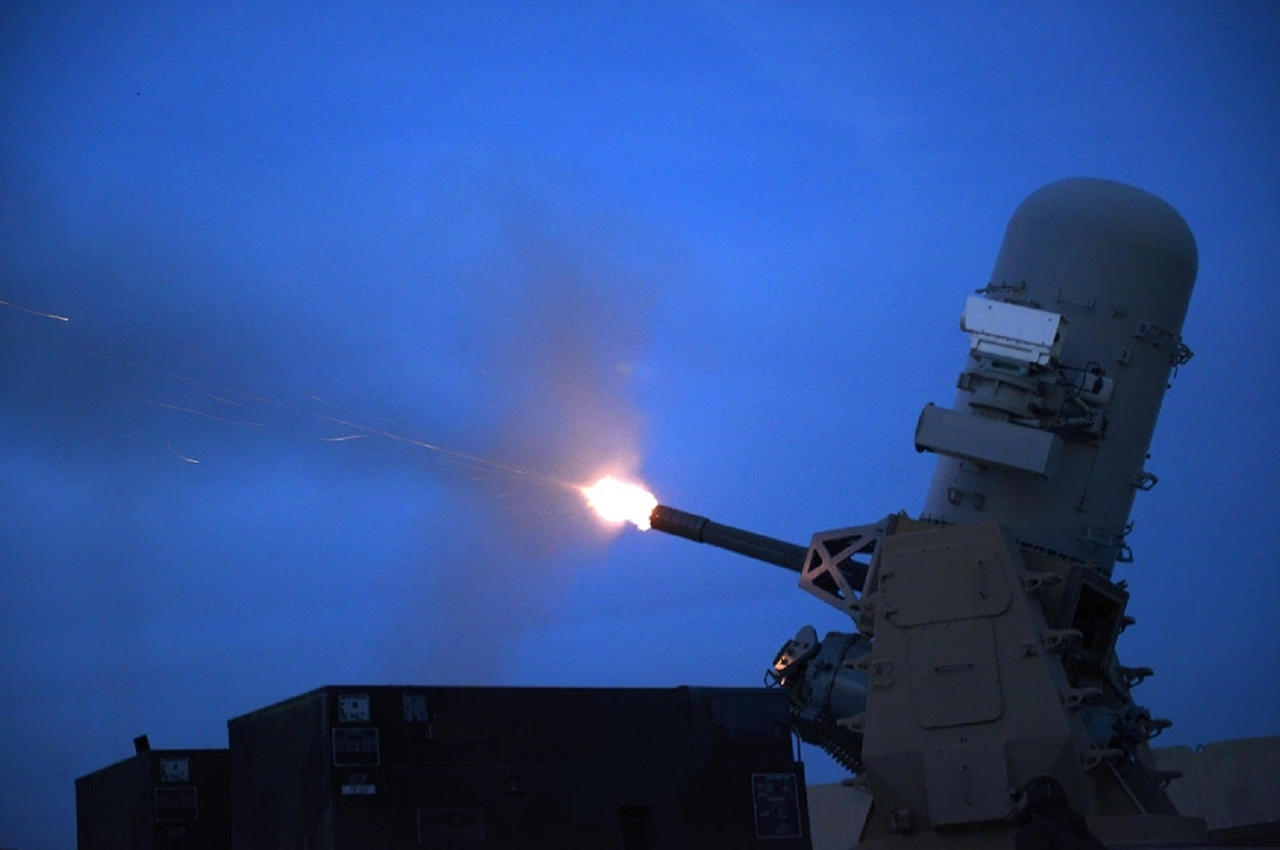
Escalating regional tensions have seen the UAE intercept and deter an Iranian missile and drone assault, while former US President Donald Trump has confirmed a fragile ceasefire with Iran is still in place despite ongoing military exchanges in the region. The incident marks the latest turbulence in the waters and airspace of the Strait of Hormuz.
Was the UAE–Iran conflict a rerun of the 70s?
The United Arab Emirates deployed its air defence systems to intercept air-borne missiles and drones coming from Iran.
Key developments:
- The air defence system of the UAE intercepted several air threats.
- A few debris from interceptions reported in various areas
- As of now, there has been no significant damage to roads or structures reported.
- A few injuries reported in previous similar incidents in the area.
The interception is part of a series of such incidents in the region, according to regional reports, during an officially declared ceasefire.
The UAE Ministry of Defence has confirmed that it is engaged with incoming threats in its defensive operations.
What did Trump have to say for the ceasefire?
In the face of renewed exchanges of fire between Iranian and US naval and air forces, Donald Trump said this week that the ceasefire accord between the two countries was still on-going.
His position includes:
- The ceasefire is still in effect.
- For defensive responses, it does not necessarily lead to the collapse of the truce.
- Both sides will try to avoid a complete escalation.
Trump is still continuing to call the recent strike “limited defensive actions,” reports suggest, and not a failure of the ceasefire deal.
Does the ceasefire stand the risk of being breached?
Official statements notwithstanding, the situation is still very fragile.
Reasons for continued high tensions:
- Airspace over the Persian Gulf continues to be active with missiles and drones. Missiles and drones continue to fly over the Persian Gulf area.
- The conflict between the Navy and the Army in strategic waterways. The conflict between the Navy and the Army in the waterways.
- Accusations of ceasefire violations by both sides
- Continued military preparations by both sides.
There have been reports recently that both the US and Iran are in favor of the ceasefire, but there are still reported occurrences of fighting on the ground in sensitive sea areas.
What is the reason for the UAE’s direct impact?
The UAE is surrounded by key strategic areas, such as the Strait of Hormuz, the world’s most critically important oil-bearing waterway.
Strategic implications:
- High exposure to missile/drone activity in the surrounding area
- Importance of advanced air defence systems
- A key role in the transport of goods and energy from sea.
The UAE has invariably made it clear that it has the sovereign right to protect civilian and economic infrastructure, and defend its sovereignty in times of regional unrest.
What’s fueling Iran–US tensions to grow?
The rising trend is related to wider geopolitical issues:
- Insecurity concerns over the region are an issue for dispute.
- Sailing ships were attacked by enemies. Naval and commercial ships attacked.
- There are worries about missiles and drones. There are worries about missile and drone capabilities.
- Ensuring that negotiations surrounding de-escalation approaches continue.
Despite diplomatic efforts, both sides are keeping military deterrence postures alive.
How might this impact the area?
The new announcements indicate a steady but volatile escalation cycle.
Key risks:
- Ongoing sporadic land and sea clashes
- In the oil and shipping industries, prices are very sensitive to the market.
- Or a greater dependence on missile defence capabilities throughout the Gulf states.
Meanwhile, diplomatic efforts continue, indicating there is no confirmation of a full-scale war scenario.
In the case of UAE–Iran Air Attack and Ceasefire Situation, the following questions are frequently asked:
1. Was the UAE able to thwart the Iranian attack?
Yes. The air defence systems of the UAE have successfully intercepted incoming missiles and drones, preventing them from inflicting any major damage.
2. Is the ceasefire with Iran in force in the US?
The ceasefire is still in force with clashes reportedly continuing, according to Donald Trump and recent reports.
3. Why is the UAE a part of this conflict?
The UAE is directly impacted by the regional missile and drone activity, especially because of its geographical position in proximity to major sea lanes.
4. Is it becoming a case of mass war?
Not currently. Both sides are maintaining their backing for the ceasefire plan, as tensions remain high.
This is what DKI is watching.
The situation is indicative of a delicate stage of the process of escalation, in which ceasefire diplomacy and active military practice are taking place at the same time. The UAE continues to be a major player on the front lines in this evolving security landscape.
Follow Dubai Key Insights (DKI) for real-time analysis on UAE security, Gulf geopolitics, and trends of regional conflict.