



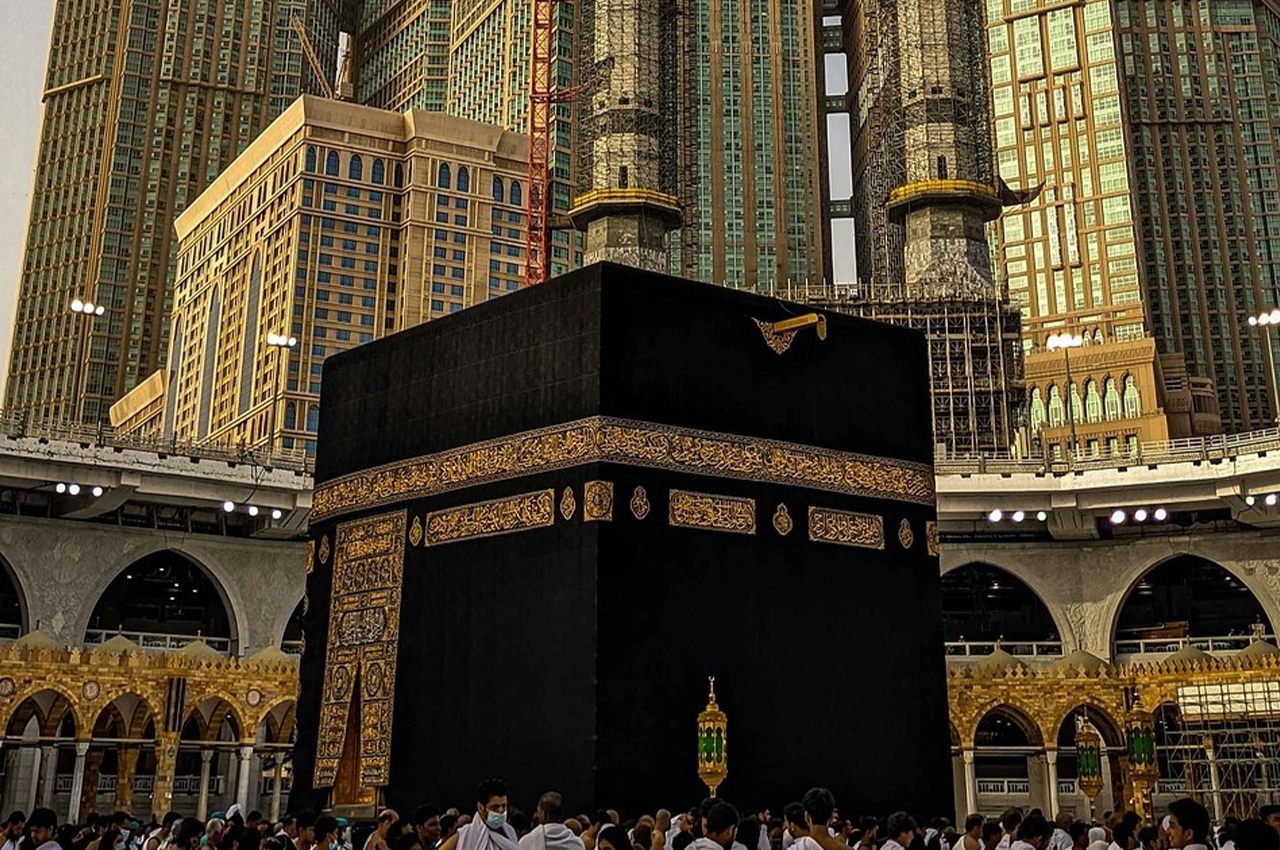
UAE health authorities urge Hajj 2026 pilgrims to get vaccinated 10 days before travel, reinforcing the importance of preventive healthcare ahead of one of the world’s largest annual gatherings. Officials are encouraging pilgrims to complete required and recommended immunisations early to ensure better protection during the journey.
Vaccination Guidance Issued for Hajj 2026
Health authorities in the UAE have advised residents planning to perform Hajj in 2026 to receive vaccinations at least 10 days before departure.
Early vaccination helps give the body time to build immunity before travel and large-scale crowd exposure.
Pilgrims are typically encouraged to prepare through:
- Vaccination appointments
- General health checks
- Travel documentation review
- Medication planning
- Hydration and fitness preparation
- Following official travel guidance
Timely preparation can reduce health risks.
Why Vaccination Before Hajj Matters
Hajj brings together millions of pilgrims from around the world, increasing the importance of public health measures.
Vaccination helps lower risks related to:
- Respiratory infections
- Seasonal illnesses
- Meningococcal disease
- Crowd-related transmission risks
- Health complications in vulnerable travelers
Preventive action is especially important in crowded environments.
Why 10 Days Before Travel Is Recommended
Receiving vaccines at least 10 days before travel is often advised because immunity may take time to develop.
Benefits of Early Timing Include:
- Better immune response before departure
- Time to manage minor side effects
- Smoother travel readiness
- Compliance with entry requirements
- Reduced last-minute stress
Leaving vaccinations too late can create avoidable complications.
Common Hajj Health Preparations
Alongside vaccines, pilgrims are usually advised to take broader health precautions.
Recommended Steps Often Include:
- Consult a doctor if you have chronic conditions
- Carry regular medications
- Stay hydrated
- Wear suitable footwear
- Follow hygiene measures
- Rest adequately before travel
Preparation can improve comfort and safety during pilgrimage.
Who Should Take Extra Care
Some groups may need additional medical advice before travel.
These can include:
- Elderly pilgrims
- Pregnant travelers
- People with diabetes
- Heart patients
- Individuals with respiratory conditions
- Immunocompromised persons
A doctor can advise on personal fitness for travel.
UAE Focus on Preventive Healthcare
The vaccination reminder reflects the UAE’s wider emphasis on proactive healthcare and travel wellness.
Key public health priorities often include:
- Disease prevention
- Community awareness
- Early medical intervention
- Safe international travel
- Protecting vulnerable groups
Travel-related health guidance is an important part of national preparedness.
What Pilgrims Should Check Next
Travelers planning Hajj 2026 should monitor:
- Official vaccine requirements
- Hajj registration updates
- Travel operator guidance
- Visa processing timelines
- Health advisories closer to departure
Requirements can change based on official announcements.
Importance of Following Official Sources
Pilgrims should rely on recognized authorities for accurate information, including:
- UAE health authorities
- Licensed healthcare providers
- Approved Hajj operators
- Official Saudi guidance channels
This helps avoid misinformation or delays.
Final Thoughts
UAE health authorities urge Hajj 2026 pilgrims to get vaccinated 10 days before travel, highlighting the importance of early preparation for a safe pilgrimage. Vaccination, medical readiness, and following official guidance can help reduce risks and support a smoother journey.
As Hajj approaches, proactive planning will remain key for UAE travelers.
FAQs
When should Hajj pilgrims get vaccinated?
UAE authorities advise vaccination at least 10 days before travel.
Why is vaccination important for Hajj?
Large crowds increase the importance of disease prevention and immunity.
What else should pilgrims do?
Arrange health checks, carry medicines, stay hydrated, and follow guidance.
Who should seek medical advice first?
Elderly pilgrims and people with chronic conditions should consult a doctor.
Where should travelers get updates?
Use official health authorities and approved Hajj travel providers.