





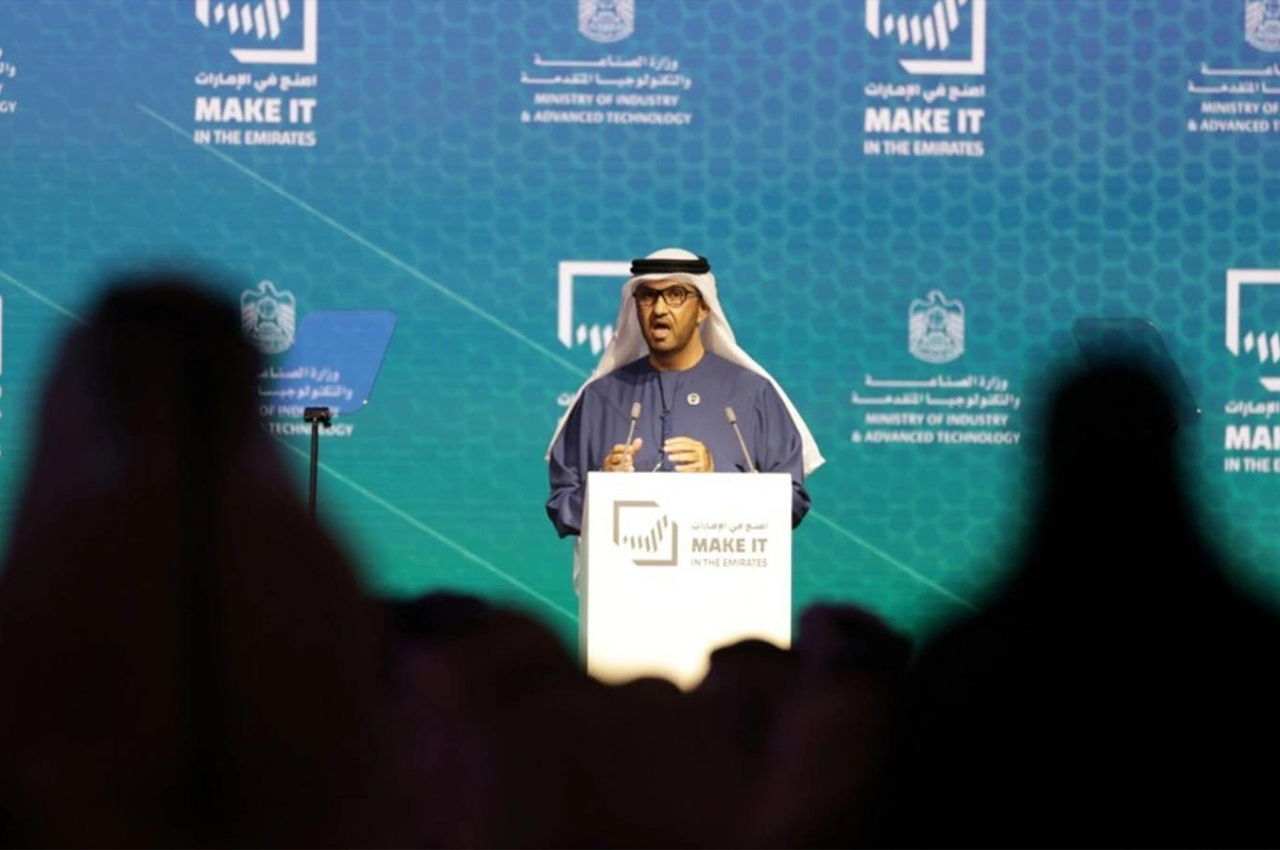
UAE walked out of OPEC, ADNOC’s CEO says it’s not a war move, addressing speculation around the country’s energy strategy and geopolitical positioning. The clarification comes as global oil markets remain sensitive to shifts in supply alliances and regional dynamics.
Key Development
The United Arab Emirates has reportedly stepped away from active alignment within Organization of the Petroleum Exporting Countries frameworks, prompting questions about its long-term oil strategy.
However, Sultan Ahmed Al Jaber, head of Abu Dhabi National Oil Company, has clarified that the move should not be interpreted as confrontational or politically motivated.
He emphasised that the decision reflects strategic and operational considerations rather than any form of escalation or conflict with other producers.
Key points from the clarification:
- The move is not linked to geopolitical tensions
- Focus remains on market stability and long-term planning
- UAE continues to engage with global energy partners
- ADNOC strategy prioritises efficiency and capacity optimisation
The statement aims to reassure markets and stakeholders that the UAE remains committed to responsible energy leadership.
Why It Matters
The UAE’s position within OPEC has long been central to global oil supply coordination, making any shift highly significant.
For global markets:
- Potential changes in oil production strategies
- Increased focus on individual country output decisions
- Market sensitivity to supply signals
For the UAE economy:
- Greater flexibility in managing production capacity
- Alignment with national energy goals and diversification plans
- Reinforcement of independent strategic decision-making
The reassurance from ADNOC’s CEO helps reduce concerns about potential disruptions or instability in the oil market.
Bigger Picture
The global energy landscape is undergoing major transformation, driven by:
- Volatility in oil prices
- Geopolitical tensions across key regions
- Increasing focus on energy transition and sustainability
The UAE has been balancing its role as a major oil producer with its ambitions in renewable energy and clean technologies.
Key strategic priorities include:
- Expanding oil production capacity while maintaining efficiency
- Investing in low-carbon energy solutions
- Strengthening its position as a global energy leader
The clarification from ADNOC reflects this balanced approach, where traditional energy remains important but is integrated into a broader long-term vision.
The UAE’s ability to maintain strong relationships with both OPEC members and global partners is crucial in navigating this transition.
What Happens Next
Markets will closely monitor how the UAE’s position evolves in relation to OPEC and global oil supply coordination.
Key developments to watch:
- Future production decisions by the UAE
- Continued engagement with OPEC and other producers
- Impact on global oil prices and supply dynamics
- Progress in UAE’s energy diversification strategy
The UAE is expected to maintain a pragmatic approach, balancing independence with cooperation to ensure stability in the energy market.
The statement from ADNOC’s CEO reinforces that the focus remains on strategy, not conflict, as the country navigates a complex global energy environment.
FAQs
Did the UAE leave OPEC?
The UAE has adjusted its alignment but continues to engage with global energy partners.
What did ADNOC’s CEO say?
He clarified that the move is not a war-like or confrontational action.
Why is this important?
It affects global oil markets and supply coordination among major producers.
Will this impact oil prices?
Markets may react, but the UAE has emphasised stability and responsible production.
What is the UAE’s energy strategy?
It focuses on balancing oil production with long-term diversification and sustainability.