




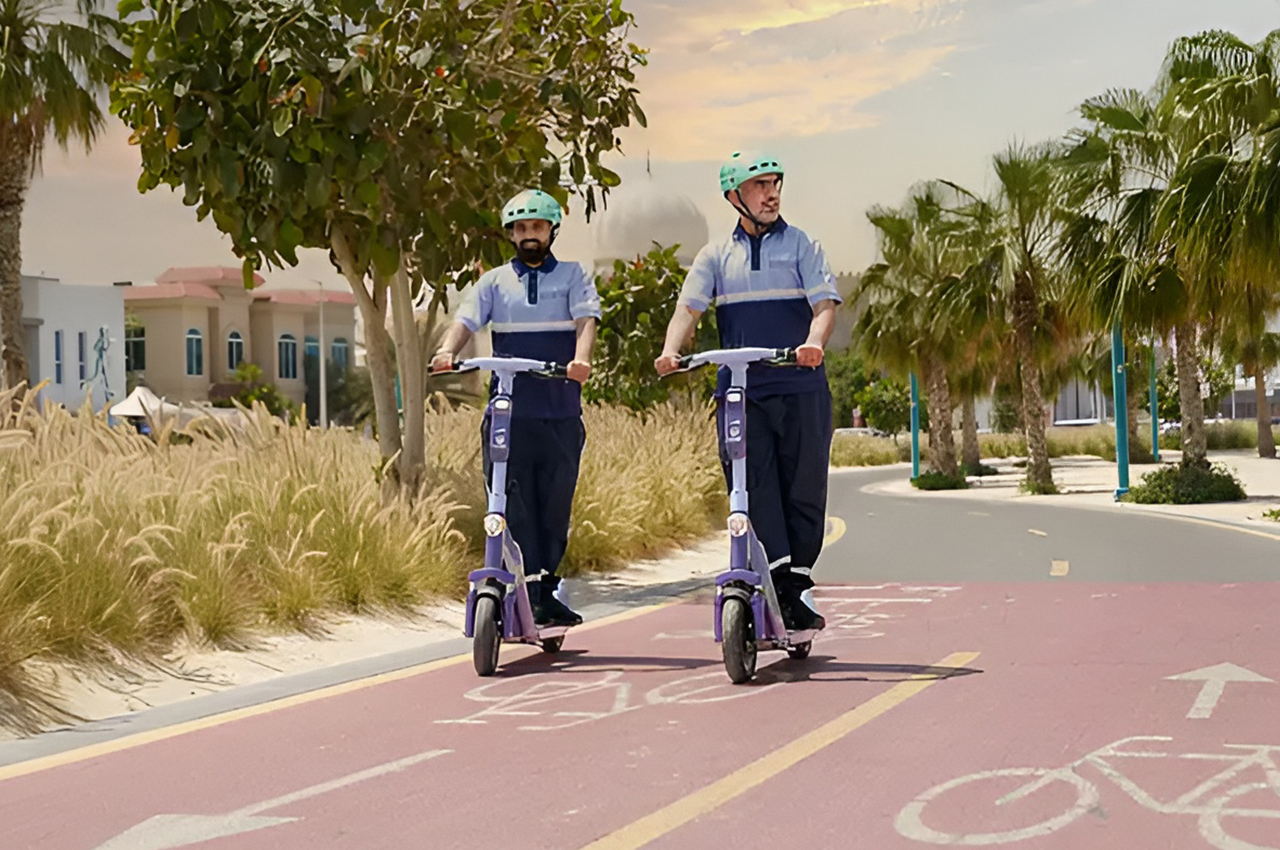
The Dubai Police have officially announced the formation of a specialised unit dedicated to monitoring the use of e-scooters and bicycles across the emirate. Effective from 1 May 2026, this new patrol division is designed to enforce safety regulations, manage pedestrian flow, and ensure that micro-mobility users adhere to the latest traffic laws. The move comes as part of Dubai’s broader effort to enhance road safety as eco-friendly transport options become increasingly popular among residents and tourists.
Key Development
The new unit will deploy specialized patrols—including bicycle police, foot patrols, and rapid-response vehicles—to key areas known for high micro-mobility traffic. These include popular zones such as Dubai Marina, Jumeirah Beach Road, Al Khawaneej, and various metro station vicinities. The primary mandate of the unit is to monitor rider behaviour and ensure compliance with the Executive Council Resolution No. (13) of 2022, which governs the use of bicycles and electric bikes in the emirate.
Starting in May, officers will be strictly enforcing the requirement for riders to wear safety helmets and reflective vests. The unit will also monitor for “illegal modifications” that increase the speed of e-scooters beyond the legal limit of 20 km/h. Additionally, the unit is empowered to issue fines and impound vehicles found to be operating in non-designated areas or being used in a manner that endangers pedestrians.
Main Focus Areas for the New Unit:
- Safety Gear Compliance: Ensuring all riders wear helmets and high-visibility clothing.
- Zonal Enforcement: Restricting e-scooters to designated paths and preventing their use on high-speed roads.
- Speed Limit Monitoring: Using mobile technology to detect e-scooters exceeding the 20 km/h threshold.
- Parking Violations: Penalising riders who leave scooters in a way that obstructs pavements or building entrances.
- Licensing Checks: Verifying that e-scooter riders on shared paths possess the mandatory RTA permit.
Why It Matters
The introduction of a dedicated police unit signals a shift from awareness to active enforcement. As Dubai moves toward a “20-minute city” model, the number of e-scooters on the streets has surged, leading to increased reports of near-misses and collisions with pedestrians. By providing a visible security presence, the Dubai Police aim to reduce accident rates and professionalise the use of micro-mobility as a legitimate transport mode.
For the community, this means a more structured and safer environment. Residents in high-traffic pedestrian areas have frequently raised concerns about the reckless use of e-scooters on pavements. This unit provides a direct mechanism for accountability, ensuring that the “last mile” transport revolution does not come at the expense of public safety or urban order.
Bigger Picture
This initiative aligns with the Dubai 2040 Urban Master Plan, which envisions the emirate as a world leader in sustainable and integrated transport. With the expansion of the Dubai Metro’s Blue and Gold Lines, e-scooters are becoming a vital link for commuters. However, for this ecosystem to work, it requires the same level of discipline and oversight as the automotive sector.
The move also reflects a regional trend where major Gulf cities are balancing innovation with regulation. From Riyadh to Doha, urban planners are watching Dubai’s enforcement model as a potential blueprint for managing micro-mobility in high-density environments. By integrating a dedicated police unit into the transport framework, Dubai is reinforcing its reputation as a world-class city that prioritises safety and infrastructure excellence.
What Happens Next
From 1 May 2026, residents should expect a heightened police presence on cycling tracks and around major leisure destinations. The RTA and Dubai Police are also reportedly working on an integrated digital platform that will allow officers to instantly check if a rider has the required RTA permit by scanning a QR code or ID.
Education will continue to run alongside enforcement. The new unit will initially focus on guiding riders and issuing warnings for minor infractions during the first week of May, before transitioning to full fine implementation. Motorists are also being reminded to be mindful of designated crossing points for bicycles and scooters, as the unit will also be monitoring vehicle-scooter interactions to prevent road accidents.
FAQs
What is the legal speed limit for e-scooters in Dubai?
The maximum speed limit for e-scooters on designated paths is 20 km/h. Modifying a scooter to go faster is illegal and can lead to impoundment.
Do I need a permit to ride an e-scooter?
Yes, if you are riding an e-scooter on designated shared paths, you must possess a permit from the RTA. This is not required for those who already hold a valid UAE driving license.
What are the fines for not wearing a helmet?
While fines can vary based on specific circumstances, the standard fine for failing to wear a helmet or required safety gear typically starts at Dh200.
Can I ride my e-scooter on the pavement?
E-scooters are generally prohibited on pedestrian-only pavements. They must be used on designated cycling paths or in areas specifically marked for micro-mobility.
Can the police impound my bicycle or e-scooter?
Yes, the new unit has the authority to impound vehicles for serious violations, such as riding on high-speed roads (above 60 km/h), reckless riding, or using an e-scooter without a permit.