



In a major move to alleviate urban congestion, Dubai’s Roads and Transport Authority (RTA) has awarded a massive contract for the development of Umm Suqeim Street, Al Wasl Road, and Al Safa Street. Announced on April 26, 2026, this expansive infrastructure project includes the construction of 11 kilometres of bridges and tunnels. The initiative is designed to support the emirate’s rapid population growth and enhance connectivity between four of Dubai’s most vital transport corridors: Sheikh Zayed Road, Al Khail Road, Sheikh Mohammed bin Zayed Road, and Emirates Road.
Strategic Infrastructure Overhaul
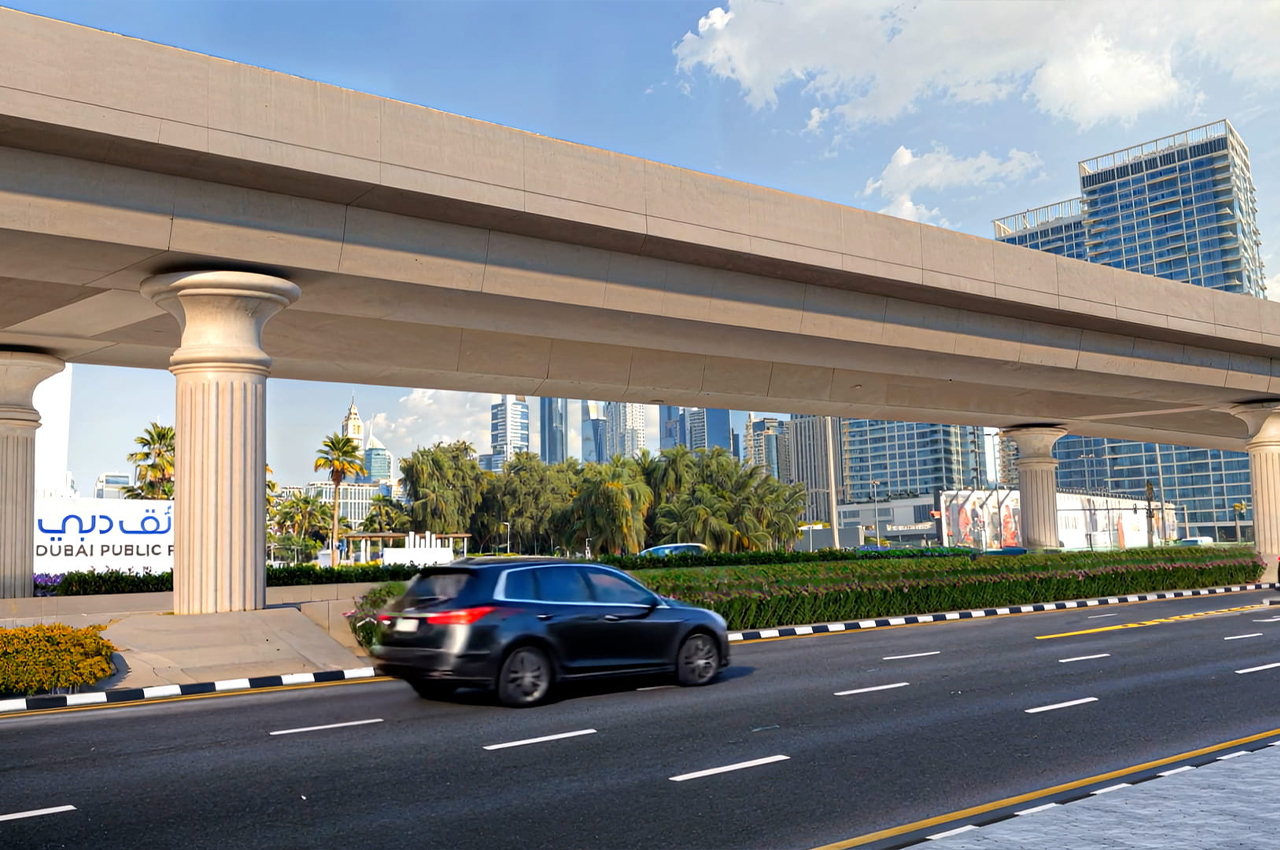
The project represents an integrated urban plan to modernize the heart of Dubai’s residential and tourism hubs. Beyond simple road widening, the RTA is introducing “complete street” concepts that include aesthetic elements, public boulevard plazas, and vibrant urban spaces. These improvements are expected to serve communities with a combined population of over two million people, including Jumeirah, Umm Suqeim, Al Wasl, and Al Barsha.
By doubling or tripling capacity on certain routes, the RTA aims to drastically reduce journey times. For instance, the upgrade to Al Safa Street is projected to cut travel time from 12 minutes to just three minutes. Meanwhile, the Umm Suqeim segment will reduce the commute between Jumeirah Street and Al Khail Road from 20 minutes to six minutes.
Key Project Components
The development is divided into several major work zones, each targeting high-traffic bottlenecks with a combination of new tunnels and elevated links:
- Umm Suqeim Street: Expansion to accommodate 16,000 vehicles per hour. The project includes a tunnel at the Jumeirah Street intersection and two bridges at the Sheikh Zayed Road junction to eliminate traffic overlapping.
- Al Wasl Road: A 15-kilometre transformation increasing capacity to 12,000 vehicles per hour. It features the construction of five new tunnels, including a 605-metre tunnel at the Umm Amara Street intersection.
- Al Safa Street: Improvements across a 1,500-metre stretch, featuring two bridges and two tunnels. This will link traffic from the upper deck of Financial Centre Street and Sheikh Zayed Road directly toward Al Wasl Road.
- Jumeirah Street: Upgrades to seven key intersections, including Al Thanya Street and Al Manara Street, focused on easing “at-grade” congestion and improving pedestrian safety.
Community and Mobility Enhancements
Consistent with Dubai’s goal of becoming a “20-minute city,” the project goes beyond vehicular traffic to prioritize pedestrians and cyclists. New, dedicated cycling tracks and enhanced pedestrian walkways will be integrated into the corridors, providing safer and more accessible routes for residents.
The plan also establishes a direct link between the Mall of the Emirates Metro Station and nearby residential communities. By creating smoother transitions between private vehicles, public transport, and micro-mobility options, the RTA is fostering a more inclusive and sustainable urban environment that promotes community interaction through landscaped plazas and pedestrian-friendly boulevards.
Why It Matters
This project is a critical driver for Dubai’s economic productivity. Efficient transport networks reduce the “cost of time” for both businesses and individuals, reinforcing the emirate’s position as a leading global destination for investment. As tourism facilities, including world-class beaches and fine-dining districts, continue to expand, these road upgrades ensure that infrastructure keeps pace with Dubai’s international appeal and urban density.
FAQs
When will the Umm Suqeim and Al Safa project be completed?
While the RTA has awarded the contract and commenced work as of April 2026, a specific final completion date has not yet been publicly announced. Projects of this scale typically move in phased openings.
Will there be road closures during construction?
The RTA typically manages major projects with temporary diversions and night shifts to minimize disruption. Residents in Jumeirah and Al Wasl should expect localized traffic changes over the coming months.
How much will this increase road capacity?
Umm Suqeim Street will see capacity rise to 16,000 vehicles per hour, while Al Wasl and Al Safa Streets will both increase to 12,000 vehicles per hour in both directions.
Does the project include new cycling paths?
Yes, the development includes dedicated cycling tracks and enhanced pedestrian walkways to support a healthier, more mobile community.
Which metro station will benefit from these upgrades?
The project specifically mentions improving access and connectivity between the Mall of the Emirates Metro Station and the surrounding residential areas.