




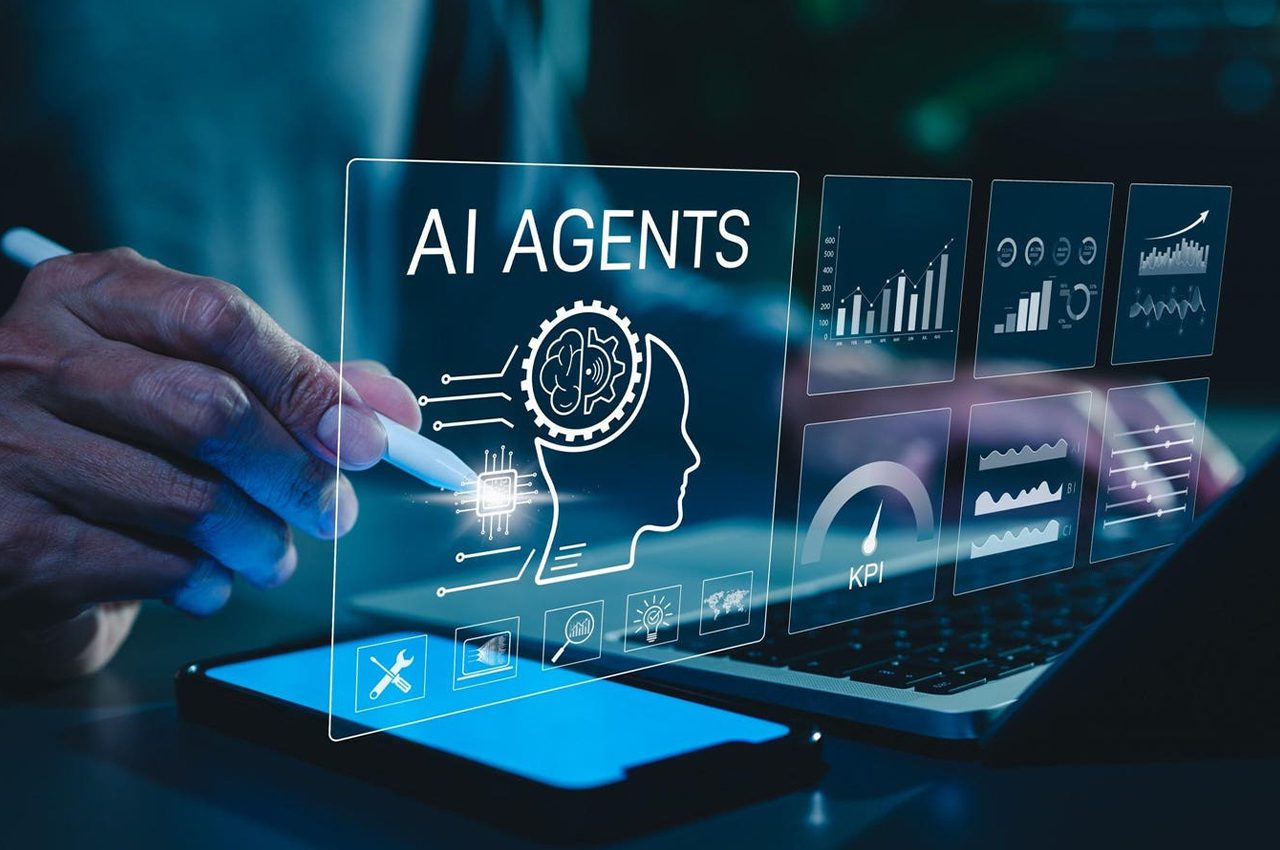
Rethinking the future of work as AI execution reshapes industries is no longer a theoretical debate but a real-time transformation unfolding across global economies. From finance and healthcare to logistics and government services, artificial intelligence is moving beyond assistance into full-scale execution, redefining how work is done and who does it.
Key Development
Artificial intelligence has entered a new phase where it is not just supporting human decision-making but actively executing tasks that were once considered uniquely human. This shift is being driven by rapid advances in generative AI, automation platforms, and machine learning systems capable of handling complex workflows.
Companies across sectors are deploying AI to:
- Automate customer service through advanced conversational systems
- Execute financial analysis and reporting in real time
- Manage supply chains with predictive precision
- Perform coding, design, and content generation tasks
Large global technology firms are leading this transition, but adoption is spreading quickly to governments and enterprises in the Gulf region, including the UAE and Saudi Arabia.
In many organisations, AI systems are now integrated into core operations rather than functioning as optional tools. This marks a significant shift from augmentation to execution.
Why It Matters
The rise of AI execution is transforming the structure of the workforce and redefining productivity.
Key implications include:
- Job transformation rather than elimination as roles evolve to include AI oversight
- Higher efficiency levels, with tasks completed faster and at lower cost
- Increased demand for digital and analytical skills
- Pressure on traditional job models, particularly in administrative and repetitive roles
For Gulf economies, this shift is particularly important. Countries such as the UAE are investing heavily in AI as part of their economic diversification strategies.
The impact is already visible in:
- Smart government services powered by AI
- Automated financial and legal processes
- AI-driven customer experiences in banking and retail
As AI takes on execution roles, human workers are increasingly expected to focus on strategic thinking, creativity, and oversight.
Bigger Picture
The transformation of work through AI execution aligns with broader global trends shaping the future economy.
Governments and businesses are adapting to:
- The rise of digital-first industries
- Increasing reliance on data-driven decision-making
- Rapid scaling of automation across sectors
- Competition for highly skilled talent in AI and technology
In the Gulf region, this shift supports long-term visions such as economic diversification, innovation leadership, and smart city development.
The UAE, for example, has positioned itself as a global AI hub, integrating artificial intelligence into sectors such as transport, healthcare, and public administration. Saudi Arabia is also accelerating investment in AI under its Vision 2030 framework.
However, the transformation also raises important questions:
- How will labour markets adapt to AI-driven execution?
- What skills will be most valuable in the next decade?
- How can governments ensure inclusive growth?
These questions are shaping policy discussions worldwide.
What Happens Next
The next phase of AI adoption is expected to deepen integration across industries, with execution capabilities becoming more sophisticated.
Key developments to watch include:
- Expansion of AI into decision-making roles in finance, healthcare, and governance
- Increased use of autonomous systems in logistics and transportation
- Growth of AI-native companies built entirely around automated operations
- Stronger regulatory frameworks governing AI use and ethics
Workplaces are likely to become hybrid environments where humans and AI collaborate seamlessly. Organisations that adapt quickly are expected to gain a significant competitive advantage.
At the same time, reskilling and upskilling will become critical. Governments and businesses will need to invest heavily in education and training to prepare the workforce for this new reality.
The pace of change suggests that the future of work is not decades away but already here.
FAQs
What does AI execution mean in the workplace?
AI execution refers to artificial intelligence systems performing tasks independently, rather than just assisting humans.
Will AI replace jobs completely?
AI is more likely to transform jobs rather than eliminate them, creating new roles focused on oversight and strategy.
Which industries are most affected?
Finance, healthcare, logistics, technology, and customer service are among the most impacted sectors.
How is the Gulf region responding to AI?
Countries like the UAE and Saudi Arabia are investing heavily in AI to drive innovation and economic diversification.
What skills will be important in the future of work?
Digital literacy, data analysis, critical thinking, and creativity will be key skills as AI takes on more execution tasks.