



Oil prices have surged to historic highs following escalating Iran-West tensions, triggering fresh concerns of a global energy crisis. The sharp spike reflects fears of supply disruption in one of the world’s most critical oil transit regions, sending shockwaves across global markets and Gulf economies.
Key Development
Global oil prices have climbed to their highest levels in years, with Brent crude briefly crossing the $126 per barrel mark amid intensifying geopolitical tensions involving Iran and Western powers.
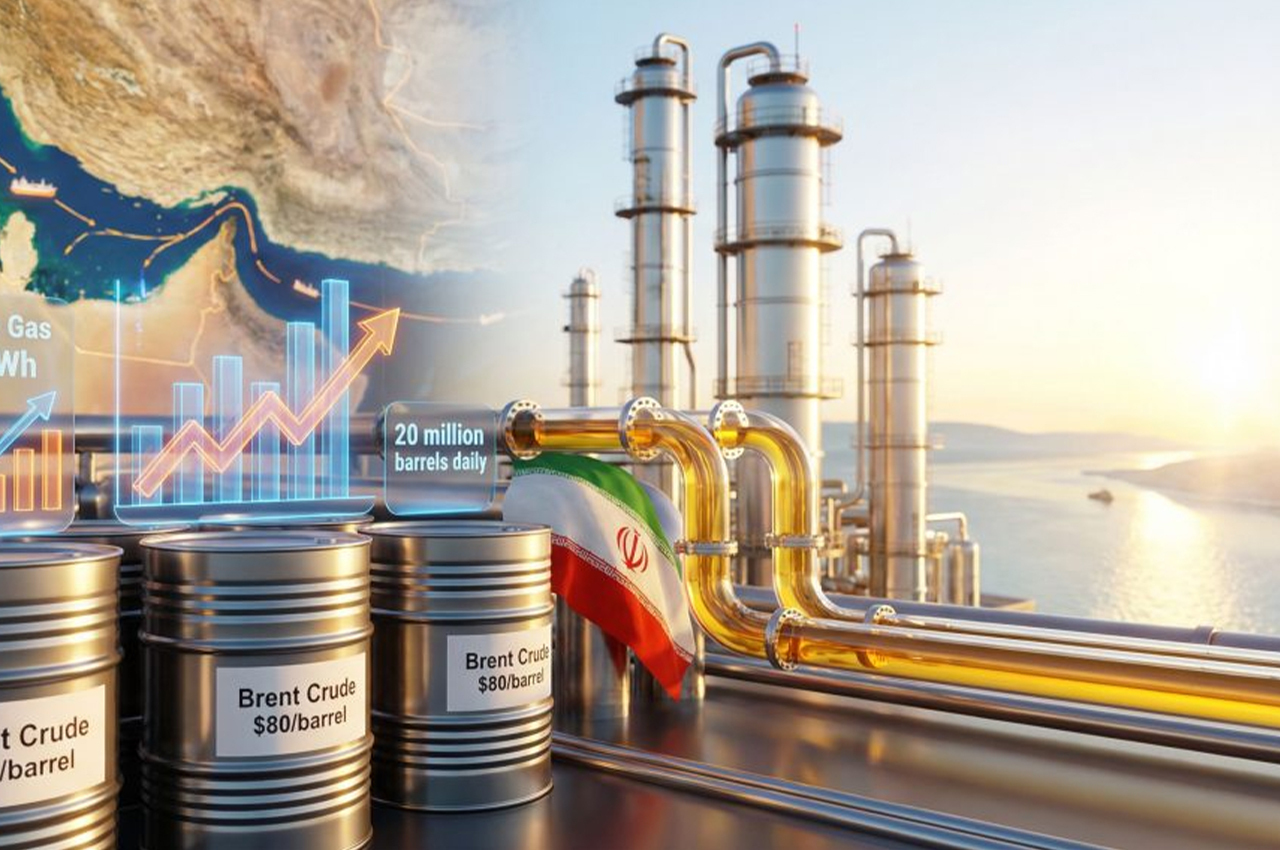
The surge is closely linked to instability in the Strait of Hormuz, a vital maritime route through which around 20 percent of global oil supply passes. Disruptions or threats in this corridor have immediately tightened supply expectations.
Recent developments driving the spike include:
- Heightened military tensions between Iran and Western allies
- Concerns over restricted tanker movement in the Gulf
- Rising risk premiums in energy markets
- Global stockpiling of oil by major economies
Analysts note that even the threat of prolonged disruption has been enough to push prices sharply higher, reflecting deep market sensitivity to geopolitical risk.
Why It Matters
The oil price surge has wide-ranging implications for economies worldwide, especially in the Gulf region where energy markets play a central role.
For global markets:
- Higher oil prices contribute directly to inflation
- Transport, aviation, and manufacturing costs increase
- Central banks may delay interest rate cuts
For Gulf countries such as the UAE and Saudi Arabia:
- Oil-exporting economies may benefit from higher revenues
- Fiscal surpluses could strengthen in the short term
- Energy-driven investments may accelerate
However, the situation also presents challenges. Prolonged instability could affect trade flows, shipping routes, and regional security.
For consumers globally, the impact is immediate, with rising fuel prices expected to affect daily expenses, logistics, and travel costs.
Bigger Picture
This energy crisis signals a deeper structural shift in global energy security. The current situation has been described as one of the largest disruptions in modern oil market history, comparable to past energy shocks.
The Iran-West tensions have exposed vulnerabilities in global supply chains, particularly the heavy reliance on Middle East oil routes. As a result:
- Countries are increasing strategic oil reserves
- Energy diversification efforts are accelerating
- Investments in renewables and alternative energy are gaining urgency
For Gulf nations, this moment reinforces their strategic importance in global energy markets. Saudi Arabia and the UAE, in particular, are likely to play a stabilising role by adjusting production levels where possible.
At the same time, the crisis aligns with broader regional strategies such as Saudi Vision 2030, which aims to reduce dependence on oil revenues while strengthening energy leadership.
What Happens Next
The outlook for oil prices remains highly uncertain and closely tied to geopolitical developments.
Key factors to watch include:
- Potential diplomatic negotiations between Iran and Western nations
- Military developments in the Gulf region
- Efforts to secure shipping routes in the Strait of Hormuz
- Production decisions by major oil producers
Experts suggest that oil prices could remain elevated if tensions persist or escalate further. Even in the event of de-escalation, markets may continue to factor in a long-term risk premium.
There is also growing expectation that governments may release strategic reserves or coordinate internationally to stabilise supply.
FAQs
Why are oil prices rising sharply now?
Oil prices are rising due to escalating Iran-West tensions and fears of supply disruption in key النفط routes like the Strait of Hormuz.
How high have oil prices reached?
Brent crude has reportedly exceeded $126 per barrel during peak trading, marking a multi-year high.
Why is the Strait of Hormuz important?
It is one of the world’s most critical oil transit routes, handling about 20 percent of global oil shipments.
How does this affect Gulf economies?
Oil exporters may benefit from higher revenues, but regional instability could impact trade and investment flows.
Could oil prices fall again soon?
Prices may ease if tensions de-escalate, but continued uncertainty could keep them elevated in the near term.