




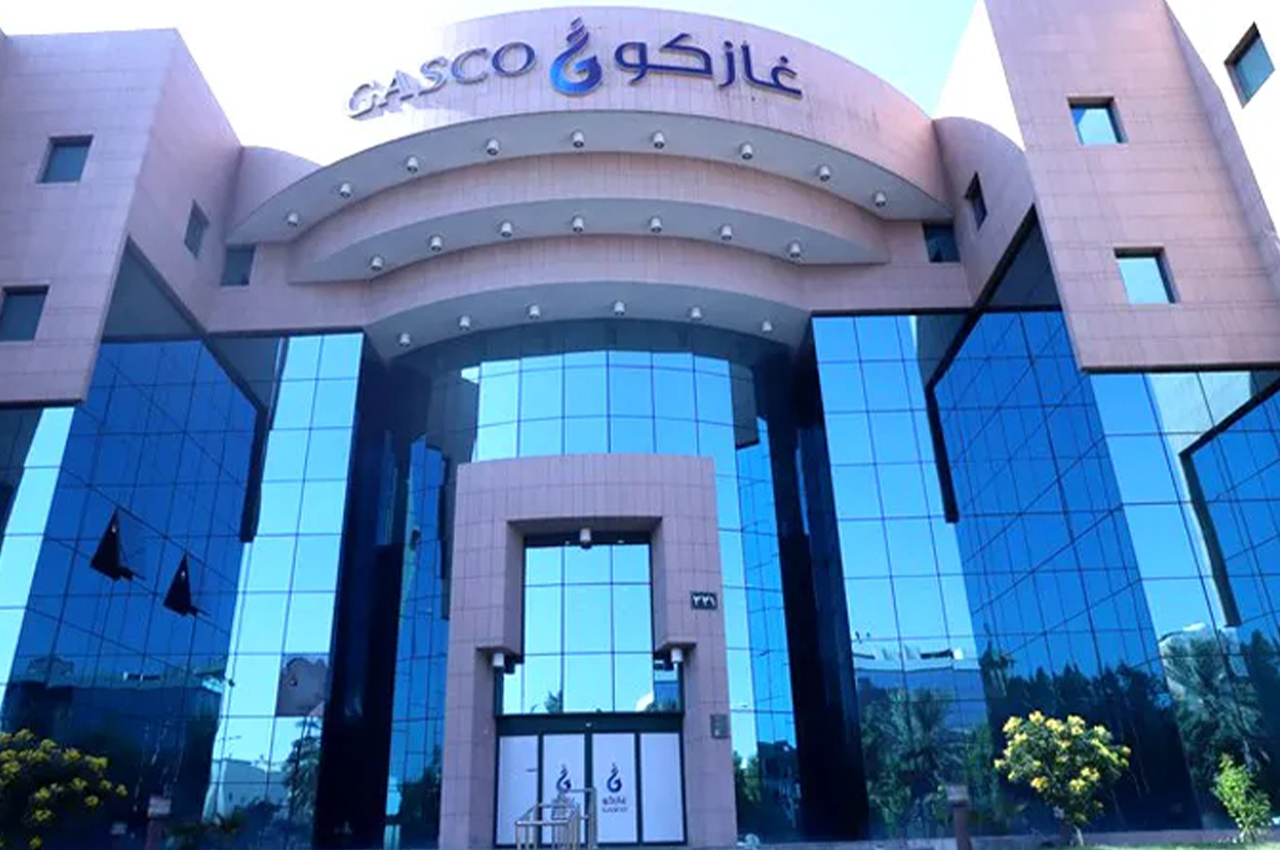
Saudi GASCO gets approval to acquire 50% stake in Jacko Gases, marking a significant move in the Kingdom’s industrial and energy ecosystem. The deal signals continued consolidation in the gas distribution sector as Saudi Arabia accelerates its diversification strategy under Vision 2030.
Key Development
Saudi Gas Company, widely known as GASCO, has secured regulatory approval to acquire a 50 percent stake in Jacko Gases. The transaction is expected to strengthen GASCO’s position in the industrial gas market and expand its operational footprint across Saudi Arabia.
The approval represents a strategic partnership rather than a full acquisition, allowing both companies to leverage their respective strengths. GASCO brings extensive distribution infrastructure and market reach, while Jacko Gases contributes specialised capabilities in industrial gas production and supply.
The move is seen as part of a broader trend of partnerships aimed at improving efficiency and scaling operations within the Kingdom’s industrial sector.
Why It Matters
This acquisition holds importance for Saudi Arabia’s evolving energy and industrial landscape.
Key implications include:
- Enhanced supply chain efficiency in industrial gases
- Increased capacity to serve manufacturing, healthcare, and energy sectors
- Strengthening of domestic industrial capabilities
- Support for localisation and reduced reliance on imports
Industrial gases such as oxygen, nitrogen, and specialised gas mixtures are critical for sectors ranging from petrochemicals to healthcare. By expanding its stake in this segment, GASCO is positioning itself to meet growing domestic demand.
For investors and businesses, the deal highlights continued momentum in Saudi Arabia’s mergers and acquisitions activity, particularly in sectors aligned with national development goals.
Bigger Picture
The approval aligns closely with Saudi Arabia’s Vision 2030, which focuses on economic diversification and industrial expansion.
The Kingdom has been actively investing in:
- Manufacturing and heavy industry
- Energy infrastructure and logistics
- Private sector partnerships
- Supply chain resilience
Strategic deals like this one signal a shift towards building integrated industrial ecosystems. By combining distribution networks with specialised production capabilities, companies can operate more efficiently and compete on a regional and global scale.
The gas sector, in particular, is gaining attention due to its importance in clean energy transitions and advanced manufacturing processes. Expanding domestic capacity in this area supports long-term sustainability and industrial growth.
Additionally, such partnerships may create opportunities for technology transfer, workforce development, and increased private sector participation.
What Happens Next
Following the approval, the next phase will likely involve operational integration and alignment between GASCO and Jacko Gases.
Key developments to watch include:
- Expansion of production and distribution capacity
- Entry into new regional markets within Saudi Arabia
- Potential introduction of advanced gas technologies
- Increased collaboration with industrial clients
The partnership is expected to unlock synergies that improve efficiency and reduce operational costs. Over time, this could translate into more competitive pricing and improved service delivery across sectors.
Market observers will also be watching whether GASCO pursues further acquisitions or partnerships as part of its growth strategy.
FAQs
What does the GASCO and Jacko Gases deal involve?
The deal involves GASCO acquiring a 50 percent stake in Jacko Gases after receiving regulatory approval.
Why is this acquisition important?
It strengthens Saudi Arabia’s industrial gas sector and supports growing demand from key industries.
How does this relate to Vision 2030?
The move aligns with efforts to diversify the economy and build strong domestic industrial capabilities.
Will this impact gas prices in Saudi Arabia?
While not immediate, improved efficiency and scale could influence pricing over time.
What sectors benefit from industrial gases?
Industries such as healthcare, manufacturing, energy, and petrochemicals rely heavily on industrial gases.