



Dubai’s Roads and Transport Authority (RTA) has officially awarded a major contract for the development of Umm Suqeim Street, Al Wasl Road, and Al Safa Street, marking one of the most significant infrastructure expansions in the emirate’s recent history. The project, which includes the construction of 11 kilometres of bridges and tunnels, is designed to drastically reduce travel times and accommodate the city’s rapid urban growth. By modernising these vital corridors, the RTA aims to serve over two million residents across Jumeirah, Umm Suqeim, Al Safa, and Al Barsha, while reinforcing Dubai’s status as a global hub for seamless mobility.
Key Development
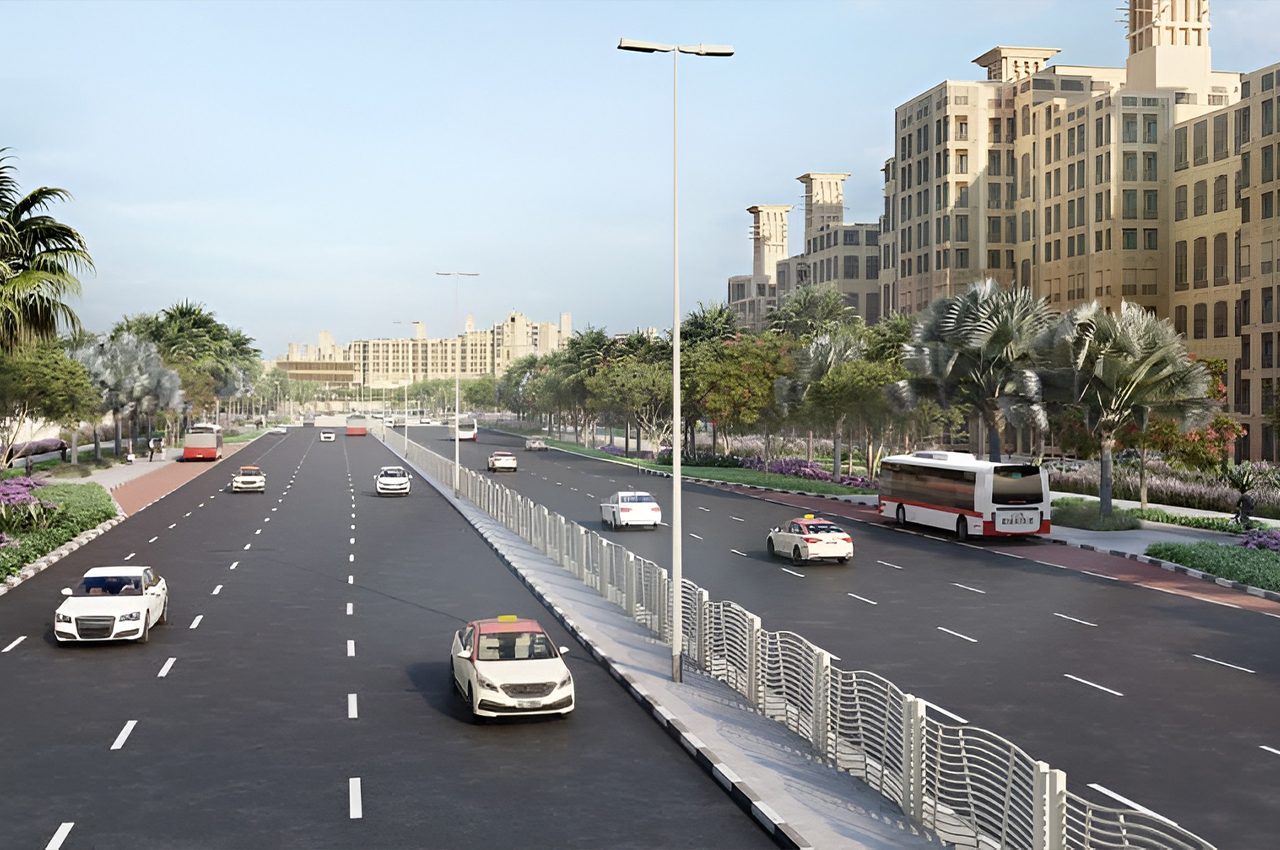
The comprehensive project involves a massive overhaul of several strategic roads and intersections. On Umm Suqeim Street, the upgrade will span from Jumeirah Street to Al Khail Road, increasing the road’s capacity to 16,000 vehicles per hour in both directions. The RTA confirmed that this specific stretch will see journey times plummet from 20 minutes to just six minutes upon completion.
Major works under this contract include:
- Bridges and Tunnels: Construction of 11,000 metres of elevated and underground routes, including four bridges and two tunnels on Umm Suqeim Street alone.
- Al Wasl Road Widening: A 15-kilometre stretch of Al Wasl Road, from Umm Suqeim Street to 2nd December Street, will be widened from two to three lanes in each direction.
- Al Safa Street Upgrade: Capacity on Al Safa Street will double from 6,000 to 12,000 vehicles per hour, with travel times expected to drop from 12 minutes to three.
- Jumeirah Street Improvements: Seven major intersections along Jumeirah Street will undergo at-grade improvements to eliminate bottlenecks and enhance traffic flow.
Why It Matters
This infrastructure drive is a direct response to the increasing population density in Dubai’s coastal and central residential districts. By cutting journey times by up to 70 per cent on key routes, the RTA is significantly boosting economic productivity and improving the quality of life for daily commuters.
For the business sector, these upgrades facilitate faster logistics and transit between major commercial hubs like Dubai International Financial Centre (DIFC) and the hospitality-heavy Jumeirah coastline. Additionally, the integration of new pedestrian walkways and cycling tracks aligns with Dubai’s “20-minute city” concept, encouraging more sustainable modes of transport alongside the expanded road network.
Bigger Picture
The expansion of Umm Suqeim and Al Wasl is a critical component of the Dubai 2040 Urban Master Plan. This plan envisions a city that can accommodate a population of 5.8 million while maintaining world-class infrastructure. By linking four strategic corridors—Sheikh Zayed Road, Al Khail Road, Sheikh Mohammed bin Zayed Road, and Emirates Road—the RTA is creating a more resilient and interconnected transport grid.
These developments also signal Dubai’s commitment to “smart” infrastructure. The project incorporates aesthetic elements, public boulevard plazas, and urban spaces designed to promote community interaction. This holistic approach ensures that while vehicle capacity increases, the pedestrian and leisure experience is not sacrificed, keeping Dubai at the forefront of global urban design innovation.
What Happens Next
Construction is set to commence immediately, with the RTA employing advanced monitoring technologies, including AI-based systems and drones, to ensure the project remains on schedule. Residents in the affected areas can expect phased road diversions as work progresses on the new tunnels at the intersections of Al Wasl Road with Al Manara and Umm Amara Streets.
The project is part of a broader cycle of infrastructure investment, with the RTA expected to announce further enhancements to the Al Shindagha Corridor and the expansion of dedicated bus and taxi lanes later this year. The final completion of these major works will provide a seamless east-west connection from the Jumeirah coast all the way to Al Qudra, supporting Dubai’s long-term tourism and investment goals.
FAQs
Which roads are included in the new RTA expansion project?
The project covers Umm Suqeim Street, Al Wasl Road, Al Safa Street, and seven intersections along Jumeirah Street.
How much will journey times be reduced?
On Umm Suqeim Street, journey times are expected to drop from 20 minutes to 6 minutes. On Al Wasl Road, travel times will be cut by approximately 50 per cent.
Will Al Wasl Road be widened?
Yes, Al Wasl Road will be widened from two to three lanes in each direction along a 15-kilometre stretch between Umm Suqeim Street and 2nd December Street.
How many people will benefit from these upgrades?
The RTA estimates that the project will serve over two million residents and visitors in areas including Jumeirah, Al Barsha, and Umm Suqeim.
Are there provisions for pedestrians and cyclists?
Yes, the expansion includes enhanced pedestrian walkways, new cycling tracks, and public plazas to promote community interaction and safety.