




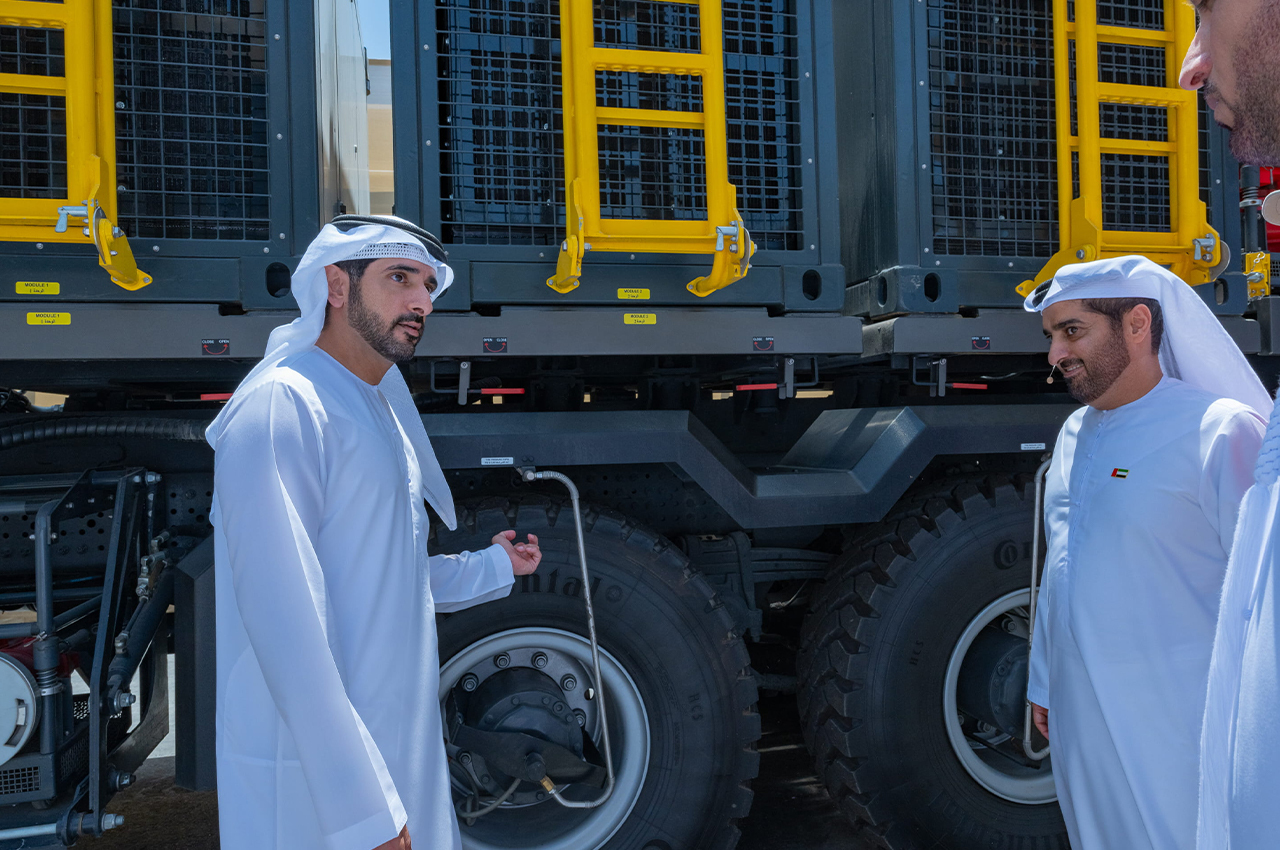
Dubai has reached a significant milestone in its journey to become the world’s smartest city as His Highness Sheikh Hamdan bin Mohammed bin Rashid Al Maktoum recently conducted a series of live tests on autonomous transport and smart mobility solutions. The Crown Prince of Dubai, who also serves as Deputy Prime Minister and Minister of Defence, personally reviewed the latest technological advancements being integrated into the emirate’s public transport infrastructure. These initiatives signal a rapid acceleration in Dubai’s goal to transition 25 per cent of all transportation to autonomous mode by 2030.
Key Development
The latest series of inspections and test rides highlights Dubai’s readiness to deploy next-generation mobility. Sheikh Hamdan was briefed on the operational mechanics of the RT6 fully autonomous taxi, a sixth-generation vehicle developed in partnership with Baidu Apollo Go. These vehicles are equipped with over 40 advanced sensors, including high-precision LiDAR systems and multi-band radars, allowing them to navigate complex urban environments with zero human intervention.
During his review, His Highness also examined the Smart Bus Station project, which is currently nearing full completion on Sheikh Zayed Road. This station represents a total shift towards digital, contactless services, integrating seamlessly with the nol card and S’hail app. By utilizing AI-powered cameras for crowd management and solar panels for energy efficiency, these stations are set to redefine the passenger experience in the emirate.
Furthermore, the Road and Transport Authority (RTA) showcased a new rapid intervention vehicle. Designed to enhance road safety and resilience during extreme weather, this vehicle can pump 60,000 litres of water per minute, ensuring that Dubai’s transport network remains uninterrupted during heavy rainfall.
Why It Matters
The successful testing of these smart mobility solutions is expected to have a profound impact on Dubai’s economy and the daily lives of its residents. The transition to autonomous transport is projected to generate approximately £4.4 billion (AED 22 billion) in annual economic returns by 2030. These savings are anticipated through:
- Increased Productivity: Reducing time spent in traffic allows residents to focus on work and leisure.
- Cost Reduction: Autonomous fleets are expected to cut overall transportation costs by nearly 44 per cent.
- Environmental Impact: A shift toward electric and autonomous vehicles will significantly lower carbon emissions and air pollution.
- Safety: Smart sensors and AI-driven decision-making are set to reduce traffic accidents and related losses by 12 per cent.
Bigger Picture
This move reinforces Dubai’s position as a global leader in urban innovation and aligns with the Dubai 2040 Urban Master Plan. By integrating autonomous taxis, smart bus stations, and soft mobility parking such as shaded areas for e-scooters and bicycles the city is building a “20-minute city” where residents can access most services within a short, sustainable journey.
The strategy also highlights a shift in the regional real estate and investment landscape. As distance becomes less of a factor due to productive commute times, suburban areas are likely to see increased demand. Meanwhile, the deployment of the world’s first commercial vertiport at Dubai International Airport for electric air taxis (eVTOL) suggests that the emirate is not just looking at the roads, but also the skies, to solve urban density challenges.
What Happens Next
Following the successful testing phases, the RTA is reportedly preparing for the official public launch of autonomous taxi services in the coming months. A phased expansion plan for soft mobility infrastructure is also in motion, with pilot operations at five key locations set for July 2026.
As the legal and regulatory frameworks for driverless cars mature, Dubai is expected to see a surge in international tech partnerships. The permanent operation of a wider autonomous fleet is slated for 2028, positioning the UAE at the forefront of the global smart mobility revolution.
FAQs
What is the goal of the Dubai Autonomous Transportation Strategy?
The strategy aims to transform 25 per cent of the total transportation in Dubai into autonomous mode by the year 2030, covering metros, buses, and taxis.
When will autonomous taxis be available to the public?
Following the official testing by Sheikh Hamdan, the service is expected to begin public operations in the first half of 2026.
How do autonomous vehicles stay safe on Dubai roads?
The vehicles use over 40 sensors, including LiDAR, cameras, and multi-band radars, powered by AI that can respond to traffic conditions and pedestrians in real time.
What are smart bus stations?
These are high-tech hubs that offer contactless, paperless services, solar-powered energy, and AI cameras to monitor air quality and manage passenger crowds.
Will these changes affect the cost of living?
The RTA expects a significant reduction in transportation costs for individuals and the government, potentially leading to more affordable and efficient public transit options.