



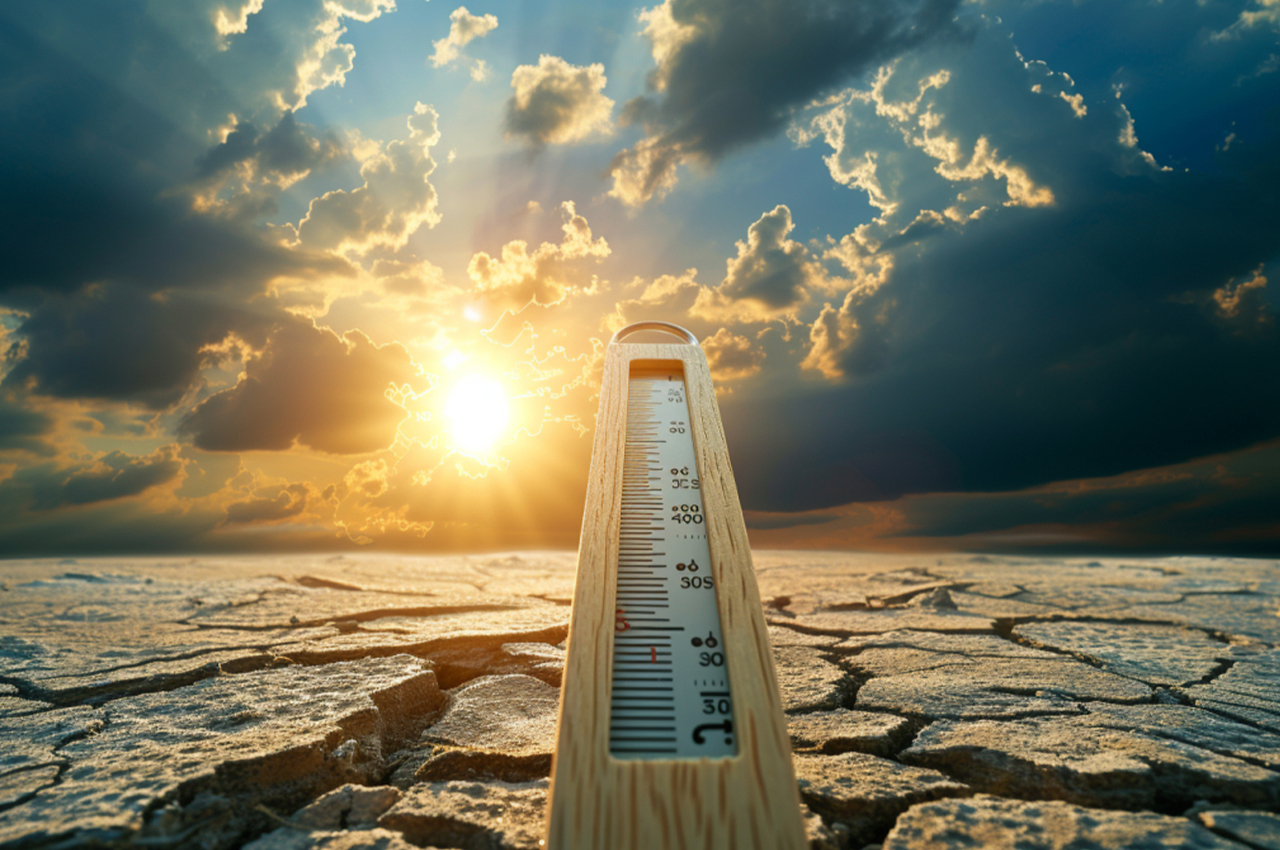
The UAE is preparing for a sharp rise in temperatures as the summer season accelerates earlier than usual. UAE braces for 50°C heat as summer kicks into high gear this May, signalling intense conditions that could impact daily routines, outdoor work and travel across the country.
The early surge in heat highlights the region’s rapid seasonal transition, with authorities and residents already adjusting to extreme weather patterns typical of peak summer months.
Key Development
UAE braces for 50°C heat as summer kicks into high gear this May, with forecasts indicating a significant increase in daytime temperatures, particularly in inland areas.
While coastal cities such as Dubai and Abu Dhabi may experience slightly moderated conditions due to sea influence, internal regions are expected to feel the full intensity of the heat. Temperatures approaching 50°C are not uncommon during peak summer, but early spikes in May can place additional pressure on infrastructure and daily life.
Expected conditions include:
- Extremely hot afternoons
- High solar radiation levels
- Warm nights with limited cooling
- Dry desert winds in some areas
- Rising humidity in coastal zones
Such conditions typically build progressively, with heat intensifying further as the season advances.
Why It Matters
Extreme heat can significantly affect health, productivity and overall quality of life. The anticipated conditions require proactive measures from both individuals and businesses.
Why this matters across the UAE:
- Increased risk of heat exhaustion and dehydration
- Adjustments to outdoor work schedules
- Higher energy demand for cooling systems
- Reduced daytime outdoor activity
- Impact on construction and logistics sectors
For residents, UAE braces for 50°C heat as summer kicks into high gear this May means adapting daily routines, including limiting exposure during peak midday hours.
For employers, particularly in outdoor industries, heat management strategies become essential to ensure worker safety and compliance with regulations.
Bigger Picture
The UAE is globally recognised for its ability to manage extreme weather conditions through advanced infrastructure and planning. From air-conditioned public transport to smart urban design, the country has developed systems to maintain comfort and safety even during peak heat.
The early arrival of intense temperatures also reflects broader regional climate trends, where seasonal patterns can shift and become more variable.
This development aligns with wider UAE priorities such as:
- Climate adaptation and resilience
- Worker safety regulations
- Sustainable urban development
- Energy efficiency initiatives
- Public awareness campaigns
UAE braces for 50°C heat as summer kicks into high gear this May also reinforces the importance of long-term planning as cities continue to grow in hot climate environments.
What Happens Next
Temperatures are expected to remain high in the coming weeks, with further increases possible as summer progresses into June and July.
Residents and businesses should prepare for:
- Sustained extreme heat conditions
- Higher humidity levels along coastal areas
- Increased reliance on indoor environments
- Peak electricity consumption periods
- Possible midday work restrictions in some sectors
Authorities typically advise the public to:
- Stay hydrated throughout the day
- Avoid direct sun exposure during peak hours
- Wear light and breathable clothing
- Use sun protection when outdoors
- Monitor weather updates regularly
As conditions intensify, UAE braces for 50°C heat as summer kicks into high gear this May serves as a clear signal that preparation and awareness will be key to managing the months ahead.
FAQs
Question 1
Will temperatures really reach 50°C in May?
Inland areas can approach such levels during early heatwaves, especially as summer begins.
Question 2
Which areas are most affected?
Desert and inland regions typically experience the highest temperatures, while coastal areas may have slightly lower readings but higher humidity.
Question 3
How can residents stay safe?
Staying hydrated, avoiding midday sun and using protective clothing are essential.
Question 4
Will work hours change?
In some sectors, especially outdoor work, schedules may be adjusted to avoid peak heat periods.
Question 5
How long will the extreme heat last?
High temperatures are expected to continue through the summer months, with peaks usually occurring between June and August.