



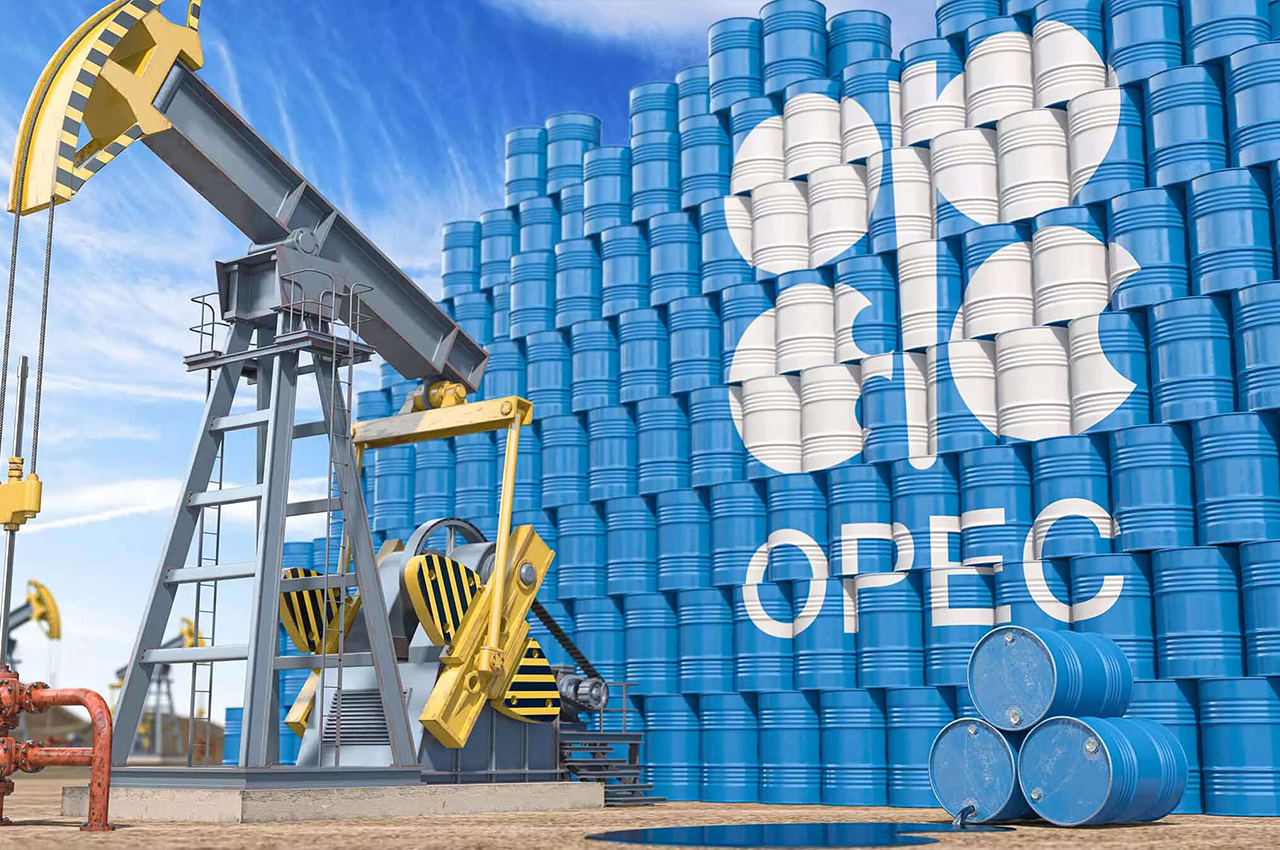
The United Arab Emirates has officially announced its decision to withdraw from the Organization of the Petroleum Exporting Countries (OPEC) and the wider OPEC+ alliance, effective 1 May 2026. This landmark move ends nearly six decades of UAE participation in coordinated oil production policy, signaling a definitive shift toward a sovereign energy strategy. By exitng the bloc, the UAE intends to prioritize its national economic interests and leverage its significantly expanded production capacity to meet evolving global demand.
Key Development
The announcement, released via the Emirates News Agency (WAM) on 28 April 2026, follows a comprehensive multi-year review of the UAE’s production policy and long-term capacity targets. For years, the UAE has invested billions of dollars into its upstream infrastructure, successfully increasing its production capacity from approximately 3.4 million barrels per day (bpd) to a current level of 4.85 million bpd. With a firm target to reach 5 million bpd by 2027, officials stated that the “production quota straitjacket” of OPEC+ was no longer aligned with the country’s domestic growth trajectory.
UAE Energy Minister Suhail Mohamed Al Mazrouei described the withdrawal as a “policy-driven evolution,” emphasizing that the decision was taken after a careful look at future market requirements. The exit allows the UAE to operate as a “free agent” in the energy markets, determining its output levels based on its own investment timelines and direct agreements with global partners rather than cartel-mandated limits.
Strategic components of the new independent policy include:
- Production Autonomy: Direct control over output levels to maximize the return on upstream investments.
- Market Responsiveness: Enhanced flexibility to adjust supply in real-time according to global demand shifts.
- Customer-Centric Supply: Ability to secure long-term bilateral supply contracts without quota constraints.
- Sustainable Monetization: Accelerating the extraction of lower-carbon, cost-competitive barrels during the energy transition.
Why It Matters
The UAE’s departure is a significant blow to the institutional solidarity of OPEC+, particularly as it comes during a period of heightened regional volatility. From a market perspective, the UAE is one of the few global producers with significant “spare capacity.” Its ability to bring additional barrels to the market independently could serve as a stabilizer during supply crunches, though it also raises questions about the group’s future ability to defend high price floors.
For global investors, the UAE is positioning itself as a more reliable and pragmatic energy partner. Unlike other producers that may prioritize high prices to balance domestic budgets, the UAE’s diversified economy—which is now 75% non-oil—allows it to focus on market share and global economic stability. This shift is expected to enhance the UAE’s attractiveness as a destination for foreign direct investment in the energy and industrial sectors.
Bigger Picture
This decision is deeply rooted in the UAE’s long-term strategic and economic vision. As the world navigates the energy transition, the “window of opportunity” to monetize oil reserves is narrowing. By increasing production now, the UAE is effectively de-risking its future, ensuring that its vast reserves are utilized to fund the nation’s transition into a high-tech, knowledge-based economy.
In a regional context, the exit highlights a growing divergence between the UAE and other major producers like Saudi Arabia. While Riyadh continues to favor production cuts to support prices, Abu Dhabi is leaning into volume and efficiency. This independent stance reinforces the UAE’s position as a global hub that prioritizes innovation, sustainability, and market-driven pragmatism over traditional geopolitical alliances.
What Happens Next
The formal exit on 1 May 2026 is expected to have a measured impact on immediate supply, largely due to ongoing logistical constraints in the region, including the closure of the Strait of Hormuz. However, once shipping lanes stabilize, ADNOC is reportedly prepared to ramp up production gradually to align with global demand.
The focus will now turn to how the remaining 22 members of OPEC+ respond to the loss of their third-largest producer. Markets will be closely watching for any signs of a “price war” or if other members follow the UAE’s lead in seeking production autonomy. For the UAE, the path forward involves deeper investment across the energy value chain, including gas, renewables, and low-carbon solutions, ensuring a resilient energy system for the next fifty years.
FAQs
Why did the UAE decide to leave OPEC and OPEC+?
The UAE decided to leave to gain production autonomy, allowing it to utilize its 5 million bpd capacity and prioritize its national economic interests over collective production quotas.
When does the UAE’s withdrawal take effect?
The withdrawal is formally effective from 1 May 2026, ending nearly 60 years of membership.
Will this cause an immediate drop in global oil prices?
Analysts expect the impact to be gradual. While the UAE has the capacity to add more supply, current regional shipping disruptions are limiting immediate export volumes.
Is the UAE still committed to global energy stability?
Yes, the UAE has reaffirmed its commitment to being a responsible and reliable energy partner, stating that its independent production will be brought to market in a measured way.
How does this affect the UAE’s relationship with Saudi Arabia?
While the two nations have different oil policies, they remain close strategic and economic allies on a wide range of other regional and international issues.