



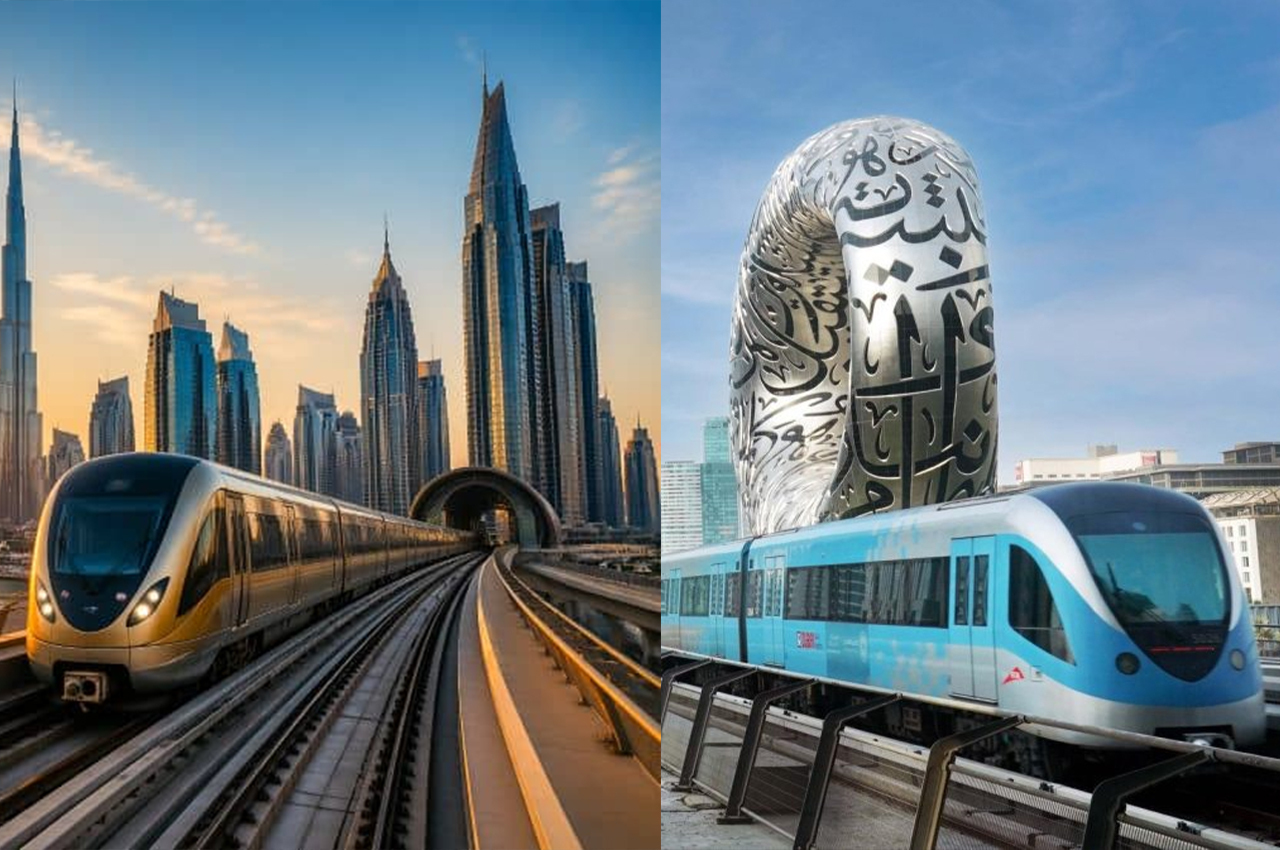
Dubai’s Roads and Transport Authority (RTA) has officially detailed the transformative impact of the upcoming Metro Gold and Blue Lines, marking a new chapter in the city’s urban mobility strategy. As part of the Dubai 2040 Urban Master Plan, these expansive rail projects are designed to integrate major residential hubs with burgeoning business districts. By significantly expanding the existing rail network, the Gold and Blue Lines signal a future where public transport becomes the primary mode of travel for millions of residents and tourists alike.
Key Development
The expansion of the Dubai Metro through the Gold and Blue Lines represents one of the most ambitious infrastructure projects in the region’s history. The Blue Line, recently approved for development, is set to act as a critical connector between the existing Red and Green Lines. Spanning 30 kilometres with 14 stations, it will link high-density areas such as Dubai Creek Harbour, Dubai Festival City, International City, and Silicon Oasis.
Complementing this is the strategic planning for the Gold Line, which is expected to serve as a vital east-west corridor. While specific station maps are being refined, the project aims to alleviate traffic congestion on major arterial roads like Sheikh Mohammed bin Zayed Road (E311). These lines are not merely additions to a map; they are highly engineered solutions designed to handle a projected capacity of hundreds of thousands of passengers per day, utilizing the latest in driverless rail technology.
Why It Matters
The economic and social implications of the Gold and Blue Lines are profound. For property owners and developers, the announcement of new metro stations historically leads to a significant appreciation in real estate value. Areas that were once considered “commuter towns” on the outskirts of the city are now being rebranded as transit-oriented developments, attracting massive foreign investment.
Furthermore, the expansion is a cornerstone of Dubai’s sustainability goals. By providing a high-speed, electric-powered alternative to private vehicle use, the RTA is directly contributing to the UAE’s Net Zero 2050 initiative. The “20-minute city” concept—where residents can reach 80% of their daily needs within 20 minutes by foot or public transport—is becoming a reality through this rail expansion.
- Connectivity: Seamless transfers between the Red, Green, and Blue lines.
- Economic Growth: Job creation in construction, engineering, and retail sectors near new hubs.
- Reduced Congestion: Expected reduction in daily car trips on major highways by up to 20%.
Bigger Picture
The development of these metro lines is a physical manifestation of Dubai’s world-class scale and future vision. In the wider Gulf context, Dubai remains the benchmark for integrated transport systems. While Saudi Arabia develops its Riyadh Metro and Qatar expands its Doha network, Dubai is focusing on “hyper-connectivity”—the idea that every major landmark, airport, and community must be reachable via a unified, automated system.
This transport revolution also supports the city’s burgeoning tourism and events industry. With the Gold and Blue Lines serving key leisure destinations and the Al Maktoum International Airport corridor, Dubai is ensuring that its infrastructure can support the target of 40 million annual hotel guests by 2031. The project highlights a strategic move from a car-centric culture to a sophisticated, tech-driven urban environment.
What Happens Next
Construction and tendering processes for various phases of the Blue Line are currently underway, with the project expected to be operational by 2029. The Gold Line is reportedly in the advanced feasibility and design stage, with further announcements regarding specific routes and station locations anticipated by the end of the year.
Commuters can expect to see significant construction activity in the International City and Mirdif areas as the first tracks are laid. As these projects move toward completion, the RTA is also expected to integrate “First and Last Mile” solutions, such as autonomous pods and expanded e-scooter lanes, ensuring that the Gold and Blue Lines provide a truly door-to-door experience for the Dubai public.
FAQs
Which areas will the Dubai Metro Blue Line serve?
The Blue Line will connect major communities including Dubai Creek Harbour, Dubai Festival City, International City, Dubai Silicon Oasis, and Academic City.
How does the Blue Line connect to the existing Metro?
It will feature key interchange stations that link directly to the existing Red Line (at Centrepoint) and the Green Line (at Al Khor), allowing for seamless cross-city travel.
What is the purpose of the Gold Line?
The Gold Line is planned to improve east-west connectivity across the city, specifically targeting high-traffic corridors and residential zones that currently lack direct rail access.
Will these new lines be driverless?
Yes, in keeping with Dubai Metro’s status as one of the world’s longest driverless rail systems, the new lines will utilize fully automated, high-tech train sets.
When will the Blue Line be completed?
The Blue Line is slated for completion in 2029, coinciding with the 20th anniversary of the Dubai Metro’s original launch.