



The UAE is set for warmer conditions in the coming days as temperatures climb across several parts of the country, while dusty winds may reduce visibility in exposed areas. UAE temperatures set to rise with dusty winds is likely to be a key weather trend for residents, commuters and outdoor workers planning the week ahead.
Weather shifts during seasonal transition periods often bring a mix of heat, wind and airborne dust. Authorities typically advise the public to stay updated on forecasts and take precautions during periods of lower air quality or reduced road visibility.
Key Development
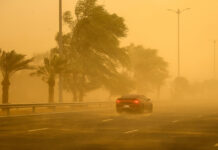
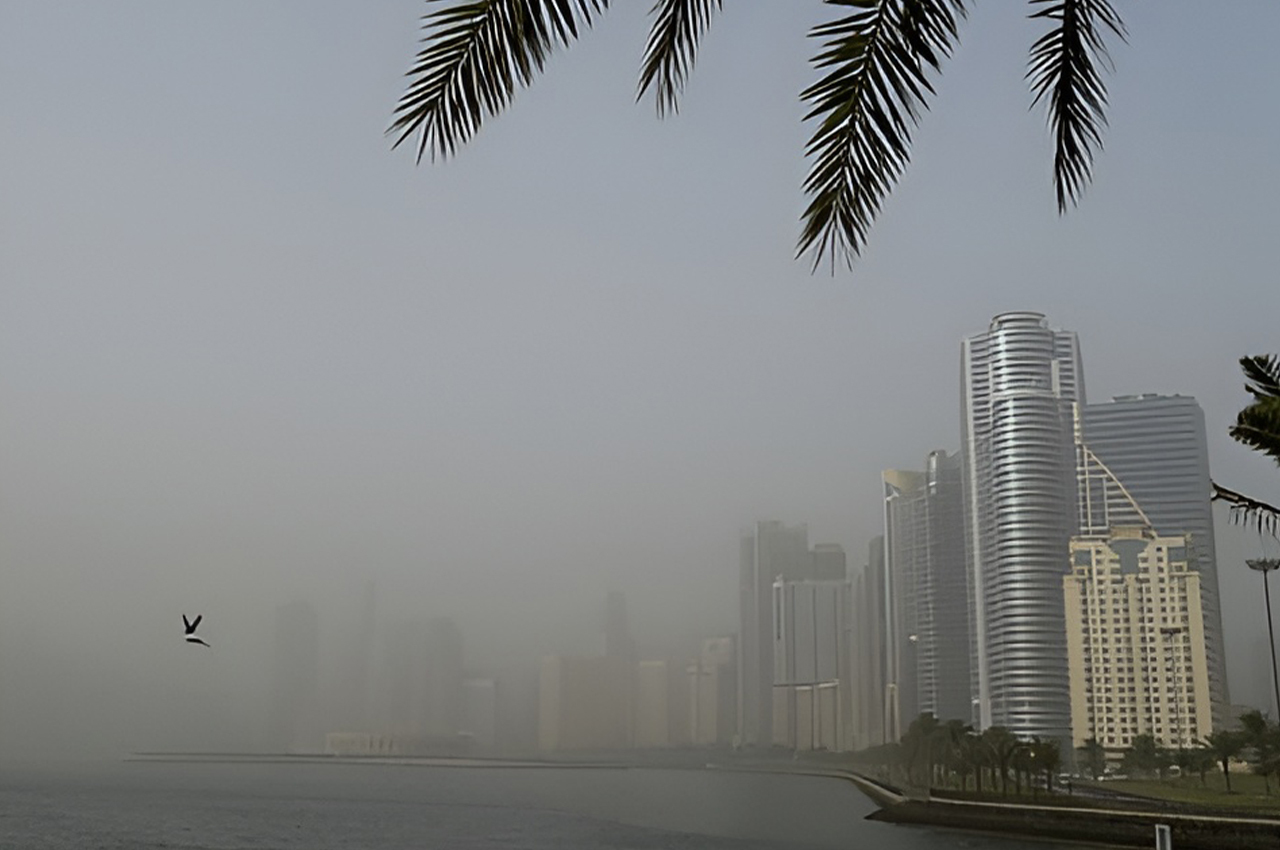
UAE temperatures set to rise with dusty winds as inland and coastal areas are expected to experience a gradual increase in daytime heat. Winds may also strengthen at times, particularly in open desert zones and along some highways, lifting dust and sand into the air.
This combination can lead to:
- Hotter afternoons across major cities
- Dust haze in some districts
- Lower visibility on roads
- Choppy conditions at sea
- Dry outdoor conditions
Morning hours may remain relatively milder before temperatures build later in the day. Humidity levels could also vary between coastal and inland areas, especially during early mornings and evenings.
Residents in Dubai, Abu Dhabi, Sharjah and the Northern Emirates are likely to notice warmer daytime conditions compared with recent days.
Why It Matters
Rising temperatures and dusty winds can affect everyday life across the UAE, particularly for people who spend long periods outdoors. Construction workers, delivery riders, motorists and those exercising outside may feel the impact first.
Key areas affected include:
- Road travel: Dust can reduce visibility, especially on faster roads and desert routes.
- Health: Sensitive groups may experience irritation from dust or dry air.
- Outdoor work: Heat exposure risks increase during midday hours.
- Leisure plans: Beach trips, desert outings and sports activities may require rescheduling.
- Marine activity: Stronger winds can create rougher sea conditions.
For businesses, sectors such as logistics, transport and outdoor events often monitor weather closely to minimise disruption.
Bigger Picture
The UAE is known for advanced weather monitoring systems and regular public updates that help residents prepare for changing conditions. Seasonal fluctuations between cooler winter months and hotter summer periods often begin with weeks of variable weather, including wind events and temperature spikes.
UAE temperatures set to rise with dusty winds also highlights the broader climate pattern of the Gulf region, where desert landscapes and shifting pressure systems can quickly influence local conditions.
The country has invested heavily in infrastructure designed to support life in hot climates, including:
- Air-conditioned public spaces
- Smart transport systems
- Resilient road networks
- Advanced emergency response capabilities
- Expanding green urban projects
Cities such as Dubai and Abu Dhabi continue to adapt through sustainability planning, shaded public areas and technology-led services that improve comfort during hotter months.
What Happens Next
Forecasters are expected to continue tracking wind speed, temperature trends and visibility levels over the coming days. Conditions may fluctuate depending on regional weather systems, with some areas seeing stronger dust movement than others.
Residents are advised to:
- Check daily forecasts before travel
- Drive carefully if visibility drops
- Stay hydrated during warmer afternoons
- Limit strenuous outdoor activity in peak heat
- Keep windows closed during dusty spells if needed
- Use masks or eye protection if sensitive to dust
As summer approaches, periods of rising heat are likely to become more frequent across the Emirates. UAE temperatures set to rise with dusty winds may be an early signal of the hotter seasonal pattern ahead.
FAQs
Question 1
How hot will it get in the UAE?
Temperatures are expected to rise gradually, with hotter afternoons likely across inland and coastal areas.
Question 2
What causes dusty winds in the UAE?
Dusty winds often develop when stronger winds move across dry desert terrain, lifting sand and dust particles into the air.
Question 3
Which cities may be affected?
Dubai, Abu Dhabi, Sharjah and other emirates can all experience warmer weather and dusty conditions depending on local wind patterns.
Question 4
Is it safe to drive during dusty weather?
Yes, but motorists should slow down, use headlights when needed and maintain extra distance if visibility is reduced.
Question 5
Will temperatures keep rising?
As the warmer season advances, hotter conditions are expected to become more common across the UAE.