



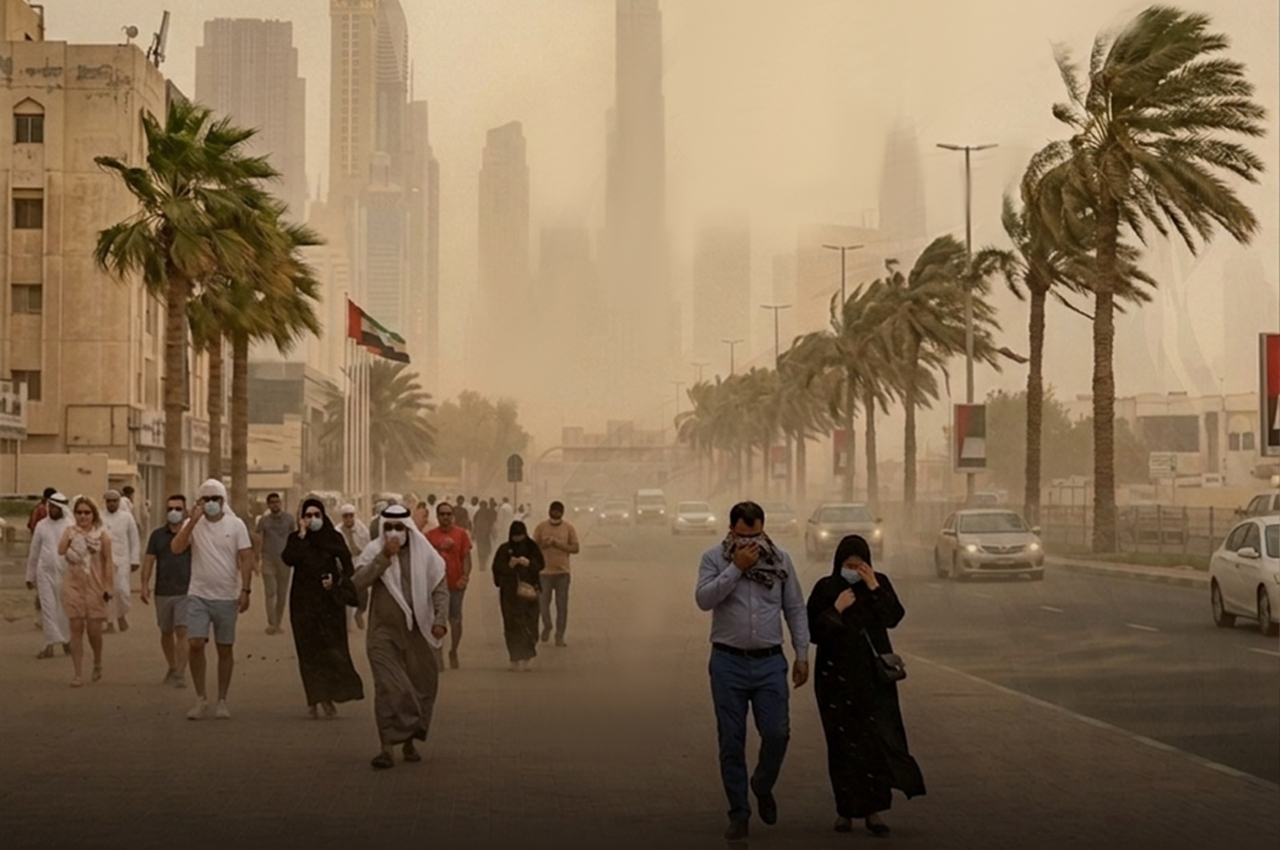
The National Centre of Meteorology (NCM) has issued a fresh weather advisory as summer temperatures begin their seasonal surge across the Emirates. Forecasters expect mercury levels to peak at 44°C in internal regions of the country today, marking one of the warmest days of the year so far. This spike in temperature is set to be accompanied by light to moderate winds that may freshen at times, leading to blowing dust and sand.
Key Development
Meteorological stations across the UAE have recorded a steady climb in temperatures over the last 24 hours. While coastal areas like Dubai and Abu Dhabi are experiencing slightly milder conditions due to maritime influences, the inland deserts and outskirts are bearing the brunt of the heat. The NCM has indicated that the weather will be generally fair to partly cloudy, but the presence of weak surface pressure systems is creating unstable wind patterns.
These winds, reaching speeds of up to 40 km/h in certain areas, are picking up loose dust and sand from the desert floor. This has resulted in a noticeable haze across major highways and residential communities, prompting local authorities to issue visibility warnings for motorists. The humidity remains relatively low during the day, which can exacerbate the feeling of dry heat, though it is expected to rise significantly during the evening and early morning hours.
Why It Matters
The shift to 40°C+ temperatures signals the start of the rigorous UAE summer, requiring residents and outdoor workers to adjust their daily routines. High heat combined with dusty winds can lead to various health and safety concerns, including:
- Heat Exhaustion: Rapidly rising temperatures increase the risk of dehydration and heat-related illnesses for those outdoors.
- Respiratory Issues: Suspended dust particles in the air can trigger allergies and asthma for sensitive individuals.
- Road Safety: Reduced horizontal visibility due to blowing sand can make driving hazardous, particularly on open motorways such as the E11 and E311.
- Energy Demand: The surge in heat traditionally leads to a sharp increase in domestic cooling requirements, putting additional load on the national power grid.
Bigger Picture
This weather pattern reflects the broader climate trends seen in the Gulf, where the transition from spring to summer is becoming more pronounced. In alignment with the UAE’s focus on safety and innovation, the government has already implemented world-class “Midday Break” policies and smart cooling infrastructure to protect the workforce during these peak months.
Furthermore, the NCM continues to utilise advanced cloud seeding technologies and satellite monitoring to manage the region’s unique atmospheric conditions. As the UAE prepares for the long summer ahead, these early heatwaves serve as a critical test for the nation’s infrastructure and public health systems, ensuring that residents remain safe and informed through real-time digital updates and meteorological precision.
What Happens Next
The NCM predicts that these dusty conditions and high temperatures will persist through the coming weekend. While a slight drop in mercury is possible by early next week, the general trend for May suggests that 40°C will become the daily standard for most of the country.
Residents are encouraged to stay hydrated, avoid direct sunlight during peak hours from 12:00 PM to 4:00 PM, and monitor local weather apps for any sudden changes in visibility. Authorities may also issue further guidance regarding outdoor activities and events if the dust levels increase significantly, prioritising public health and road safety across all seven emirates.
FAQs
Which parts of the UAE will be the hottest today?
Internal and desert regions are expected to hit the 44°C mark, while coastal areas will likely remain between 38°C and 41°C.
How strong will the winds be?
Winds are expected to be light to moderate but can freshen to speeds of 40 km/h, especially in open areas, causing blowing dust.
Is the humidity high during this heatwave?
During the day, humidity is relatively low, but it is expected to increase at night, reaching up to 85% in some coastal and internal areas by early morning.
What should motorists do during dusty weather?
Drivers should reduce their speed, maintain a safe distance between vehicles, and keep windows closed to prevent dust from entering the cabin.
Are there any rain chances with this cloud cover?
While some clouds may appear, particularly in the east, the current forecast indicates a very low probability of rainfall, with the focus remaining on heat and wind.