



United States Secretary of State Marco Rubio has issued a formal clarification regarding the ongoing US naval operations in the Middle East, emphasizing that the shipping blockade in the Strait of Hormuz is strictly targeted at Iranian-linked vessels. Speaking from Washington on Tuesday, 28 April 2026, Rubio sought to reassure global markets and regional allies that the United States has no intention of disrupting general international commerce. The statement aims to decouple legitimate global trade from the specific “maximum pressure” maritime operations currently being enforced against the Iranian government.
Key Development
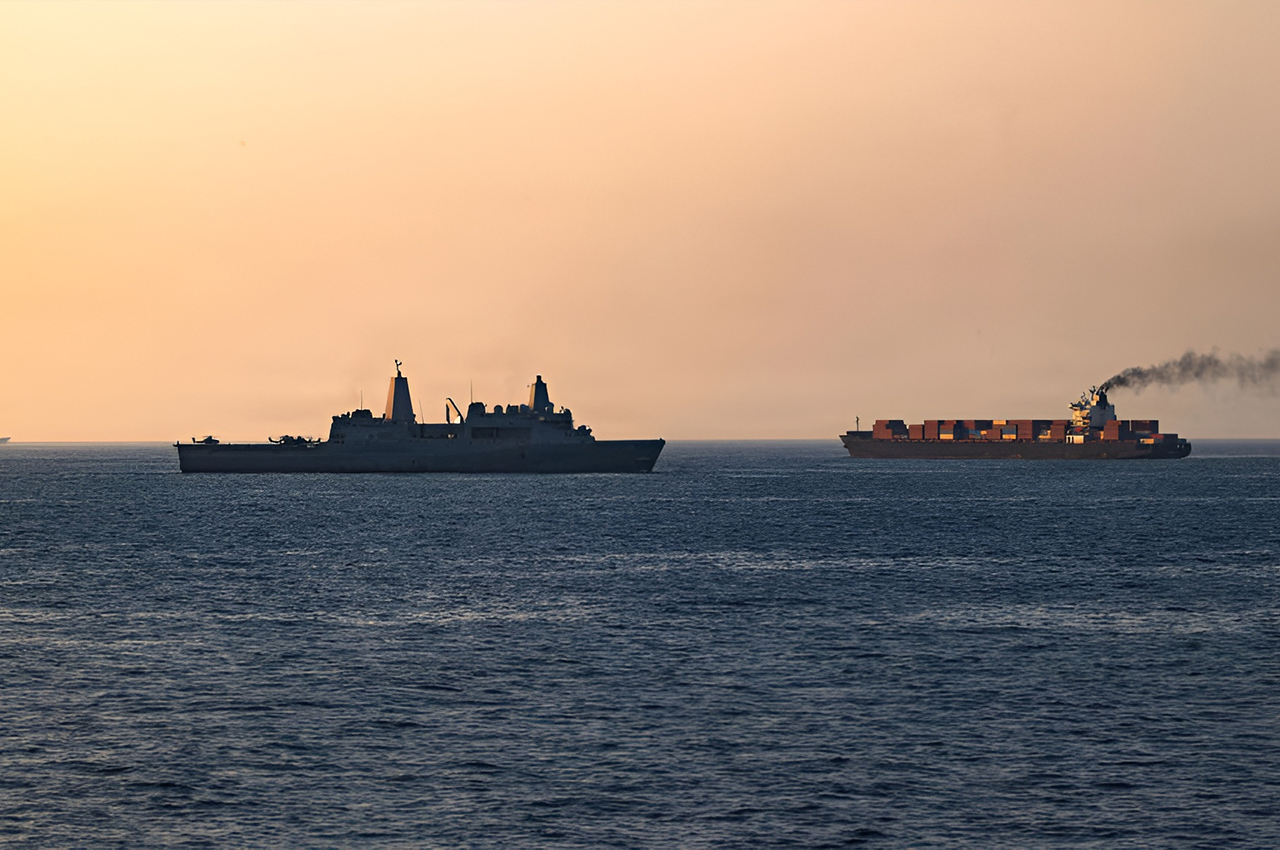
The clarification comes as the US-led naval blockade enters its third week, having commenced on 13 April. Secretary Rubio stated that the blockade is a “surgical” maritime enforcement action designed to prevent the export of Iranian oil and the import of dual-use technologies. He specified that the US Navy and its regional partners are focusing exclusively on vessels that are owned, operated, or flagged by Iran, or those carrying Iranian energy products in violation of standing international sanctions.
To facilitate this, the US has reportedly established a “White List” for commercial shipping. Under this system, neutral commercial vessels, including oil tankers from GCC nations and international cargo ships, that adhere to transparent manifests and AIS (Automatic Identification System) protocols are being granted safe passage. Rubio’s comments are seen as a direct response to concerns from global shipping hubs like Dubai and Singapore, which have seen insurance premiums skyrocket due to the perceived risk of a total closure of the waterway.
Why It Matters
The distinction made by the Secretary of State is vital for maintaining the stability of the global energy supply chain. By narrowing the scope of the blockade, the US is attempting to achieve two conflicting goals: crippling the Iranian economy while preventing a global recession.
- Energy Market Stability: Crude oil prices, which spiked following the blockade’s announcement, showed signs of stabilizing after the assurance that non-Iranian tankers would not be intercepted.
- Diplomatic De-escalation: The statement provides a “buffer zone” for regional powers like Oman and the UAE, allowing them to continue their commercial operations without direct involvement in the US-Iran standoff.
- Legal Framework: Rubio’s clarification seeks to align the blockade with international maritime law, framing it as an enforcement of sanctions rather than an act of war against global shipping.
Bigger Picture
This policy update occurs against a backdrop of intense regional tension. While the US claims the blockade is targeted, Iran has characterized the move as “maritime piracy,” leading to the capture of several neutral container ships in retaliation. The situation in the Strait of Hormuz has essentially created a “dual-blockade” scenario: a US-led blockade of Iranian ports and an Iranian-led “toll” system for the waterway itself.
The US stance also highlights a growing reliance on “smart blockade” technology. The US Fifth Fleet is reportedly utilizing AI-driven satellite monitoring and unmanned surface vessels (USVs) to identify “dark fleet” tankers attempting to bypass the blockade through ship-to-ship transfers. This high-tech enforcement allows the US to maintain pressure on Tehran without necessitating the physical boarding of every vessel transiting the Gulf of Oman.
What Happens Next
The UN Security Council is scheduled to meet on 29 April 2026 to discuss the legality of the maritime restrictions. Secretary Rubio is expected to present evidence of Iranian violations to justify the continued presence of the US naval task force.
In the coming weeks, the US is reportedly planning to expand its “Maritime Security Corridor,” a protected lane for neutral vessels to transit the Strait of Hormuz under the protection of international naval escorts. If successful, this could lower maritime insurance rates and restore a sense of normalcy to one of the world’s most critical trade arteries, even as the direct pressure on Iran remains at an all-time high.
FAQs
What did Secretary Rubio clarify about the Hormuz blockade?
He clarified that the US naval blockade is specifically and only targeted at Iranian-owned, flagged, or sanctioned vessels, and is not intended to block international trade.
Are commercial oil tankers from other countries being stopped?
According to the US State Department, neutral commercial vessels from non-sanctioned countries are being allowed to pass, provided they comply with security and identification protocols.
When did the US naval blockade of Iran begin?
The current blockade of Iranian ports in the Strait of Hormuz officially commenced on 13 April 2026.
How is the US identifying Iranian-linked vessels?
The US Navy uses a combination of satellite imagery, AI-monitored AIS tracking, and unmanned surface vessels to identify “dark fleet” ships and those attempting to hide their Iranian origins.
What is the goal of this targeted blockade?
The primary goal is to cut off Iran’s energy export revenues and prevent the transport of prohibited materials, in line with “maximum pressure” sanctions.